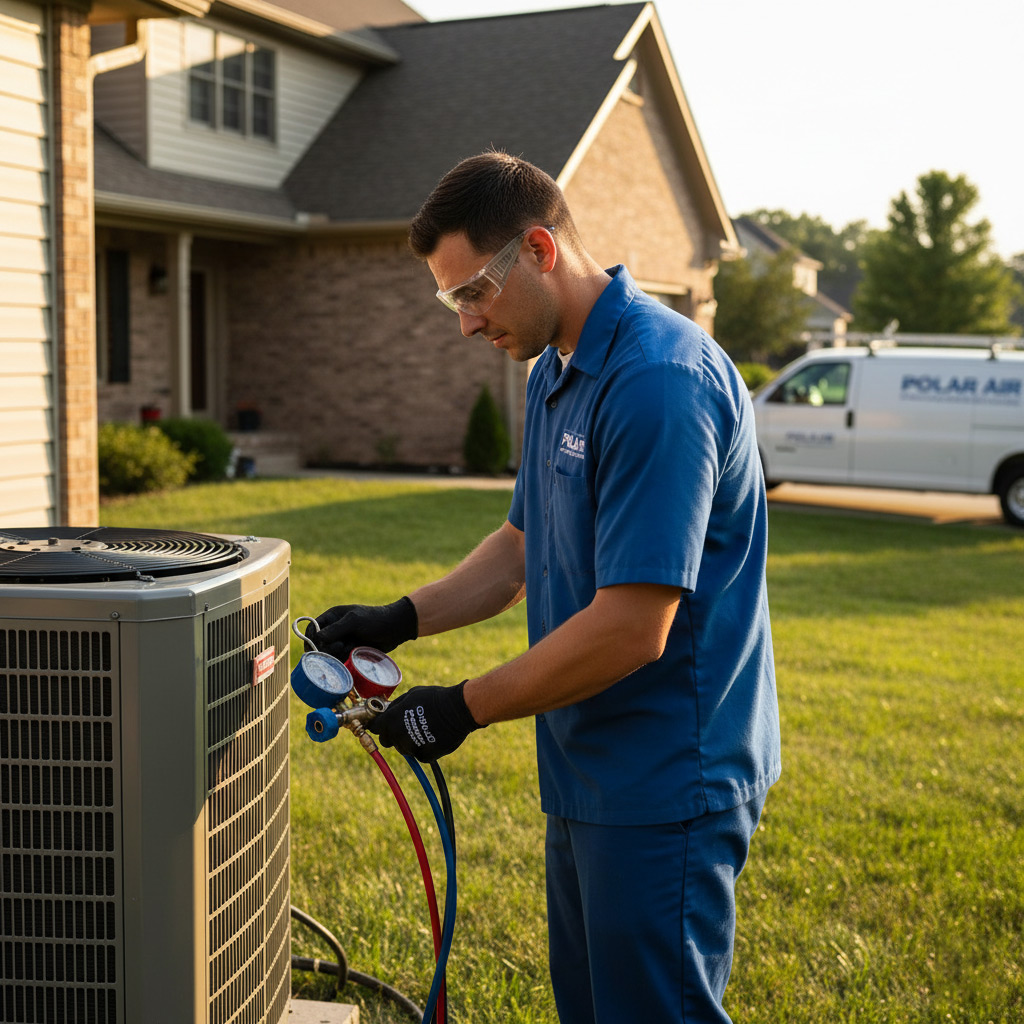
Picture this: you walk into your Shreveport home after a scorching day, and the air hits you like a cool breeze—no clunk, no sputter, just pure comfort.
That kind of reliability doesn’t happen by accident. With the Gulf Coast heat and occasional winter chills, a well‑tuned HVAC system is the difference between sweating through a night and sleeping soundly.
We’ve boiled down every step you need to keep your furnace and AC running like a champ, from filter swaps to coil checks. Ready to lock in comfort all year long? Keep reading and get the checklist that will save you time, money, and headaches.

Seasonal Inspection Schedule: What to Check Each Season
In Shreveport, the weather flips faster than a pancake at a Sunday brunch, so your HVAC needs a game plan that matches the climate. Think of each season as a checkpoint on a road trip—stop, look around, and make sure everything’s still running smooth before you hit the next mile.
Spring (March – May)
- Turn the thermostat back to 68‑70°F and watch the system kick in.
- Inspect the condensate drain line for clogs; a simple flush with bleach can prevent water damage.
- Check the outdoor unit for debris—leaves, twigs, or sand can choke the fan.
- Swap out the air filter if it’s past 30 days; spring pollen loves a dirty filter.
Summer (June – August)
- Run the AC on high for 15 minutes; listen for odd noises or weak airflow.
- Measure the refrigerant pressure; low pressure means a leak that will cost you later.
- Clean the evaporator coil with a soft brush; a dirty coil spikes your electric bill.
- Verify the thermostat calibration—set it to 72°F and see if the room follows.
Fall (September – November)
- Turn off the outdoor fan and cover the unit to keep out falling leaves.
- Schedule a furnace ignition test; you don’t want a surprise cold snap.
- Inspect the heat exchanger for cracks; a cracked piece can be dangerous.
- Lubricate motor bearings if they’re squeaking; quiet is a sign of health.
Winter (December – February)
- Check the pilot light or electronic ignition; a weak flame means poor heat.
- Test the carbon monoxide detector near the furnace; safety first.
- Examine duct insulation for gaps—cold air escaping equals higher bills.
- Run the blower for a few minutes each day to keep the motor from freezing up.
Stick to this schedule and you’ll dodge the most common breakdowns that plague Shreveport homes. A little time now saves you a lot of sweat (and cash) when the next season rolls around.
Essential Monthly Maintenance Tasks for Optimal Performance
Skipping the monthly grind costs you more than a few minutes of your time. Small habits keep the system humming, and they catch problems before they turn into pricey repairs. Think of it as a quick health check for your HVAC.
What to Do Every Month
- Swap or clean the air filter – a dirty filter chokes airflow and spikes energy bills.
- Inspect the outdoor unit for debris; clear leaves, grass, and bugs.
- Check the thermostat batteries and calibrate the settings for summer vs. winter.
- Listen for rattles or squeaks; any new noise deserves a closer look.
- Verify that all vents are open and unobstructed.
After you finish the list, give the system a quick visual once more. A clean coil, clear drain line, and a steady fan sound mean you’re on track. If anything looks off, call a local Shreveport pro before the season shifts.
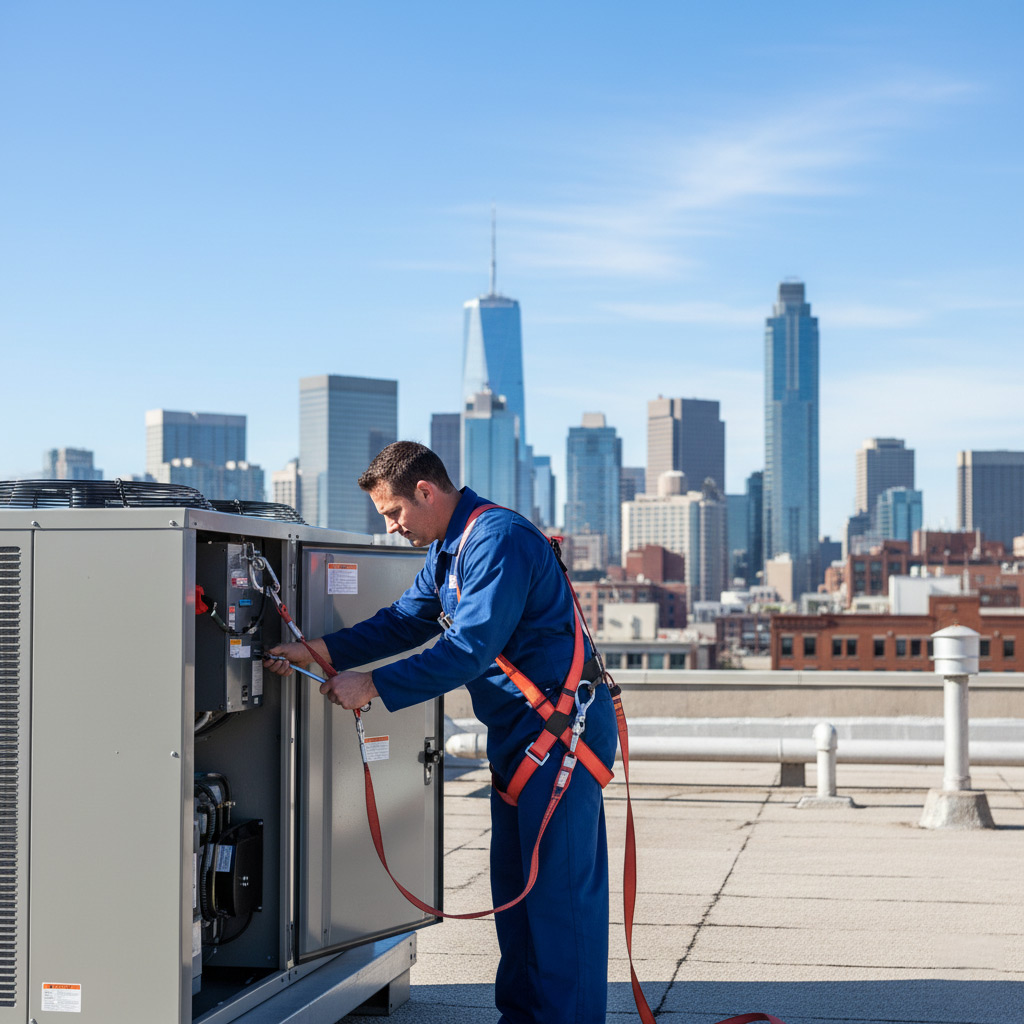
Deep Dive: Cleaning and Servicing the Condenser and Evaporator Coils
Why clean the coils?
Dust and grime act like a blanket on your coils, forcing the system to work harder. When the coils are clogged, efficiency drops and your electric bill spikes. In Shreveport’s humid climate, mold can set up shop fast, so a clean coil means cleaner air for your family.
Step‑by‑step coil care
Grab a soft brush, a garden hose with a gentle spray, and a coil‑cleaning spray approved for HVAC. Follow this quick routine:
- Turn off power to the unit. Safety first.
- Remove the outer panel to expose the condenser coil.
- Brush away loose debris, then spray the coil cleaner. Let it sit 5‑10 minutes.
- Rinse gently with the hose. No high‑pressure jets—just a steady flow.
- Dry the coil with a clean rag before re‑assembling.
Evaporator coil tips
The evaporator lives inside the air handler, so you’ll need a screwdriver and a flashlight. Don’t skip the filter—a clean filter makes coil cleaning easier. After removing the access panel, repeat the brush‑and‑spray method, but be careful not to bend the delicate fins.
Finish by checking the condensate drain for clogs. A blocked drain can cause water damage and foul odors. A quick flush with a cup of bleach‑water clears it out, and you’ll hear the system sigh in relief.
Furnace Care: Combustion, Heat Exchanger, and Safety Checks
Combustion Inspection
First thing: look at the flame. It should be blue with a tiny yellow tip. Anything else means the burner is off‑balance.
Check these items:
- Gas pressure – use a manometer, keep it within manufacturer specs.
- Burner ports – clean out soot, keep airflow smooth.
- Vent pipe – no cracks, no blockages.
Heat Exchanger Health
The heat exchanger is the furnace’s heart. A crack can turn a cozy home into a carbon‑monoxide nightmare.
Run a visual inspection, then:
- Use a flashlight to spot rust or holes.
- Employ a combustion analyzer – look for CO spikes.
- Schedule a professional pressure test at least once a year.
Safety Switches & Sensors
Safety devices are cheap insurance. If one fails, the whole system shuts down.
Make sure you:
- Test the limit switch – it should trip at the set temperature.
- Verify the flame sensor is clean; a quick scrape can restore function.
- Check the pressure switch – listen for a click when the furnace starts.
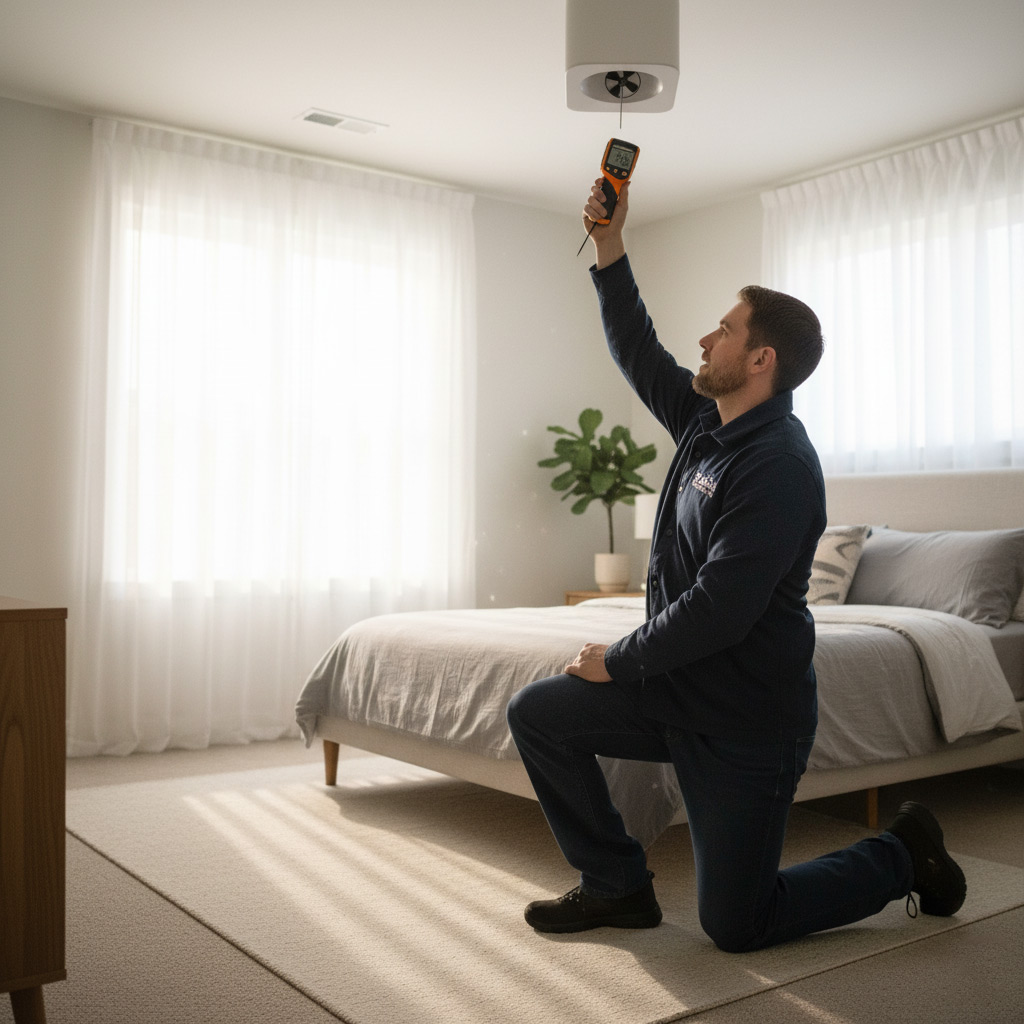
Ductwork and Airflow Optimization: Sealing, Insulation, and Balancing
Leaky ducts are the silent money‑suckers in Shreveport homes. Every crack or gap steals conditioned air and forces your furnace or AC to work harder. Fixing them is the cheapest way to boost comfort and cut bills.
Seal the Leaks
- Inspect visible ducts in the attic, crawl space, and basement for gaps.
- Apply mastic or UL‑rated foil tape—no duct‑silicone, no cheap “duct tape”.
- Focus on joints near the furnace, air handler, and register boxes.
Once the seams are tight, you’ll notice a steadier temperature throughout the house. That’s the feeling of a system finally breathing right.
Insulate for Consistency
- Wrap all unconditioned‑space ducts with R‑8 or higher insulation.
- Seal the insulation edges with foil tape to prevent moisture buildup.
- Check for condensation on cold‑side ducts; add a vapor barrier if needed.
Proper insulation keeps the air you paid for from turning into a chilly draft before it reaches the room. Result? Less strain on the compressor and a more even indoor climate.
Balance the Flow
- Close off a few vents in rarely used rooms; open them wider in high‑traffic zones.
- Adjust the dampers in the main trunk line to equalize pressure.
- Run a simple “smoke test” with a incense stick to see where air is rushing or stalling.
Balancing isn’t a one‑time job; revisit it after major renovations or when you add new appliances. When every room gets the right amount of air, your HVAC runs smoother and lasts longer.
Real‑World Success: Case Study of a Shreveport Home’s HVAC Overhaul
When the Martinez family called, their 12‑year‑old system was coughing, sputtering, and refusing to keep the house cool during a July heatwave. They were losing sleep and watching their electric bill climb like a balloon. After a quick on‑site diagnosis, we mapped out a full‑scale overhaul that would bring the house back to comfort without breaking the bank.
What Went Wrong
The audit uncovered three glaring issues:
- Clogged evaporator coil – ice buildup was throttling airflow.
- Leaky duct sections in the attic – 30% of conditioned air was escaping.
- Worn‑out furnace blower motor – causing uneven heat distribution.
What We Fixed
Our crew tackled each problem with a step‑by‑step plan:
- Cleaned and re‑charged the evaporator coil, restoring full cooling capacity.
- Sealed all duct leaks with UL‑rated foil tape and added insulation to the attic runs.
- Replaced the blower motor with a high‑efficiency model, balancing airflow across every room.
- Installed a programmable thermostat, giving the Martinez family precise control.
Three months later, the family reported a 30% drop in energy costs and a house that stayed cool in August and warm in December without a hitch. Their comfort level jumped, and the new thermostat let them fine‑tune settings from their phones. In short, a targeted overhaul turned a nightmare into a year‑round breeze.
Final Words: Keeping Your System Comfortable Year‑Round
Think of your HVAC as a marathon runner, not a sprinter. Consistent, low‑effort care beats a frantic, expensive repair after a breakdown. When you stick to the checklist, you’ll notice smoother start‑ups, steadier temperatures, and a noticeable dip in your energy bill.
Quick Wins to Keep on Your Radar
- Mark your calendar for the seasonal inspection dates—spring, summer, fall, winter.
- Swap filters every 30‑60 days; a dirty filter is the #1 cause of reduced airflow.
- Run the fan on “auto” instead of “on” to let the system cycle efficiently.
Don’t forget the HVAC Maintenance page for deeper dives on each task. A few minutes of attention now saves you hours of sweating later, whether it’s a sweltering July afternoon or a chilly December night.
People Also Ask
How often should I schedule a professional HVAC inspection in Shreveport?
A professional inspection is recommended twice a year—once in the spring before cooling season and once in the fall before heating season. This timing aligns with the local climate extremes and helps catch issues early.What are the most critical monthly HVAC maintenance tasks?
Check and replace air filters, inspect thermostat settings, and clear debris from outdoor units. Also, listen for unusual noises and verify that vents are unobstructed.Why is coil cleaning so important for HVAC efficiency?
Dirty condenser and evaporator coils reduce heat transfer, forcing the system to work harder and increasing energy bills. Regular cleaning restores optimal airflow and prolongs equipment lifespan.What safety checks should be performed on a furnace in Shreveport?
Inspect the combustion chamber for cracks, test the heat exchanger for leaks, and ensure the carbon monoxide detector is functional. Verify that the blower motor and limit switches operate correctly.How can I improve ductwork airflow without a full replacement?
Seal gaps with mastic or foil tape, add insulation to exposed ducts, and balance registers to ensure even distribution. Simple adjustments can boost efficiency by up to 15 %.
Shreveport HVAC brings over two decades of professional heating and cooling expertise to the Shreveport community. Their team of certified technicians delivers reliable service and tailored solutions for residential and commercial clients. Committed to local comfort, they prioritize prompt response and lasting performance.
Need HVAC?
Rapid HVAC repair and installation that restores comfort and efficiency across Shreveport and nearby ZIPs (71101, 71103, 71107, 71109, 71115). Our technicians arrive on time and finish the job right the first time.
Request HVAC Quote