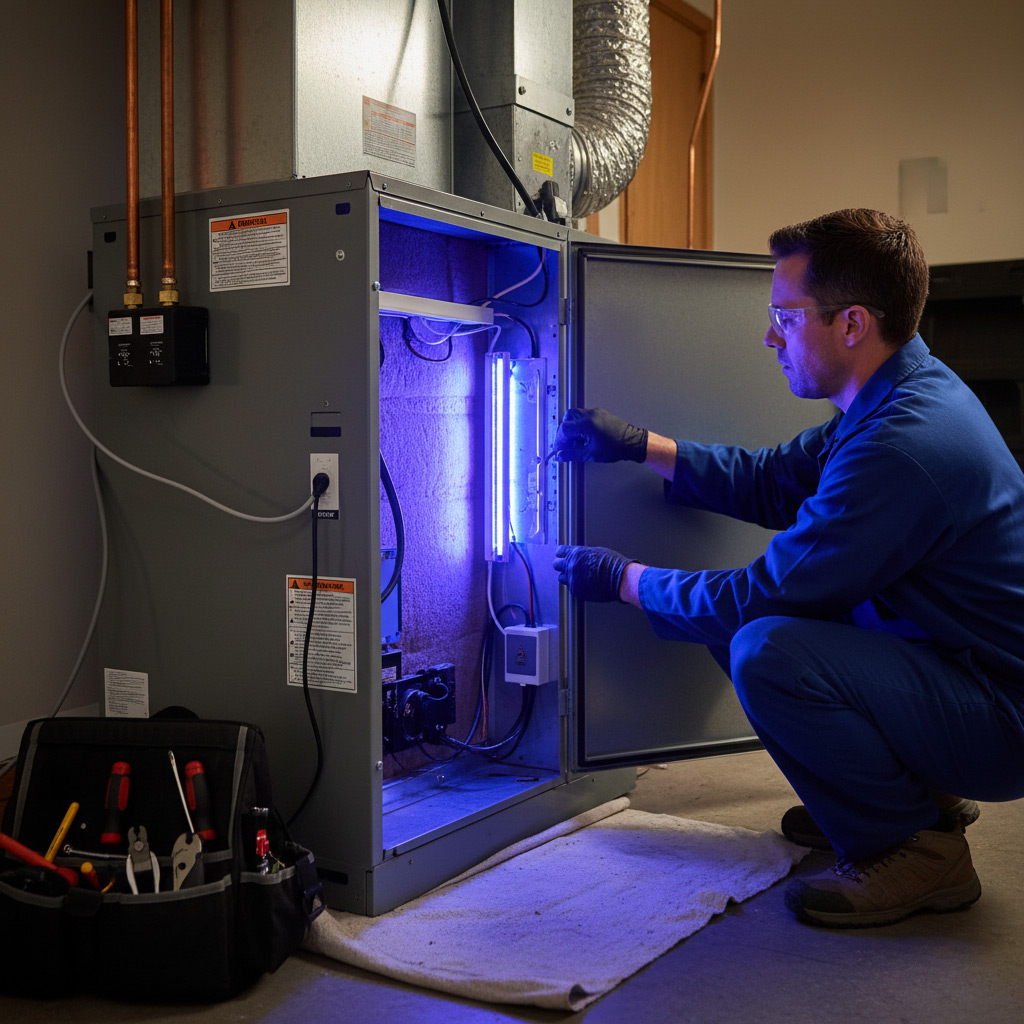
You’ve probably heard the rumor that a commercial AC install in Shreveport is a flat $5,000 and you’re done. The truth is, that number is about as useful as a weather forecast from a fortune cookie.
From the size of the building and the type of refrigerant to local permit fees and the quirks of your existing ductwork, every factor can swing the bill up or down like a seesaw. And if you’re not watching the fine print, you’ll end up paying for “extras” you never asked for.
Stick around and we’ll pull back the curtain on the real cost drivers, so you can walk into any quote with confidence and keep your bottom line intact.
Core Cost Components: Equipment, Labor, and Materials
Equipment Costs
What you pay for the unit itself is the biggest line item on any quote. A 15‑ton rooftop package from a reputable brand can range from $3,000 to $7,500, while a high‑efficiency model with a SEER rating above 15 will push the price toward the top of that band. Don’t forget that accessories—like variable‑speed fans and smart thermostats—add $500‑$1,200 each.
Labor Expenses
Skilled technicians don’t work for free, and their rates reflect years of training and certifications. In Shreveport, the average hourly wage sits around $85, but complex installs that require crane work or night shifts can climb to $120 per hour. Factor in the total man‑hours—usually 20‑40 for a standard commercial job—to avoid surprise invoices.
Materials & Ancillaries
Beyond the big box, you’ll need a handful of supporting items that can tip the scales.
- Sheet metal for custom duct connections – $150‑$400 per section.
- Insulation blankets to keep the system humming efficiently – $0.75‑$1.20 per square foot.
- Control wiring, sensors, and safety switches – $200‑$600 total.
- Miscellaneous fasteners, sealants, and brackets – $100‑$250.
Building Size, Layout, and Load Calculations: How Square Footage Affects Pricing
First thing’s first: the bigger the floor plan, the bigger the bill. A 10,000‑sq‑ft warehouse will need a unit that can move far more heat than a 2,000‑sq‑ft office, and the price tag reflects that jump. Don’t let “square footage” become a mystery you can’t solve.
Why Load Calculations Matter
Every commercial space has a unique cooling load based on occupants, equipment, and exposure to sun. A proper Manual J or ACCA calculation tells the installer exactly how many tons you need—no more, no less. Skipping this step is like buying a truck when you only need a sedan.
Layout Tricks That Can Inflate Costs
Open‑plan floors are cheap to cool; a maze of walls and mezzanines forces extra duct runs and multiple air handlers. High ceilings? They demand bigger fans and more refrigerant. Each architectural quirk adds a line item to the estimate.
- Square footage tier: 0‑5,000 sq ft – modest unit, lower labor.
- 5,001‑15,000 sq ft – mid‑size system, extra piping.
- 15,001 sq ft+ – multiple units, complex controls.
- Ceiling height over 12 ft – larger fans, higher energy draw.
- Obstructed airflow paths – additional ductwork, more seams.

Refrigerant Choices and Energy Efficiency Ratings: Impact on Installation Costs
Which refrigerant will you pick?
Older units still run on R‑22, but that gas is being phased out, and the price has shot up like a hot summer day. Switching to R‑410A or a low‑GWP alternative adds $800‑$1,200 to the material bill, but it future‑proofs the system.
Here’s a quick snapshot:
- R‑22: cheap now, but expect a steep price jump and a mandatory retrofit in 5‑7 years.
- R‑410A: standard for new installs, moderate cost, widely available.
- Low‑GWP blends (R‑32, R‑454B): higher upfront cost, lower carbon footprint, eligible for rebates.
SEER ratings – the price lever you can see
The Seasonal Energy Efficiency Ratio (SEER) tells you how much cooling you get per watt. A unit rated 13 SEER is the baseline; bump it to 16 SEER and you’re looking at an extra $1,500‑$2,500.
Why pay more? Higher SEER means lower electric bills, especially for a 24/7 operation. Over a five‑year span, the savings often cover the premium, and you’ll look good when the utility company asks for proof of efficiency.
Incentives and hidden savings
Louisiana offers rebates for high‑efficiency equipment, and Shreveport’s utility program can knock $500‑$1,000 off a qualifying install. Don’t forget to ask about tax credits—they’re a one‑time boost that can shrink the net cost dramatically.
Bottom line: the refrigerant you choose and the SEER rating you chase are the two biggest levers on the price tag. Play them smart, and the installation won’t feel like a gamble.
Permits, Local Regulations, and Hidden Fees Specific to Shreveport
Permit Basics
Before any ductwork or condenser touches the ceiling, Shreveport requires a mechanical permit and an electrical permit. The city’s Building Department reviews plans to confirm they meet the 2022 International Mechanical Code.
Skipping this step can trigger a stop‑work order that stalls the project for weeks. Don’t gamble—ask your installer to file the paperwork early.
- Mechanical Permit – $150‑$300, depending on system size.
- Electrical Permit – $100‑$250, varies with load calculations.
- Plan Review Fee – typically $75.
Shreveport Regulations
The city enforces a strict energy efficiency standard for commercial HVAC units installed after 2020. Units must carry a SEER rating of at least 13, and any refrigerant with a high GWP (global warming potential) faces additional scrutiny.
Noise limits also apply to rooftop condensers near residential zones. If your system exceeds 65 dB, you’ll need a sound‑attenuation package, which adds both parts and labor.
- SEER compliance – may require a higher‑priced unit.
- Refrigerant certification – $200‑$400 for handling fees.
- Noise mitigation – $500‑$1,200 depending on location.
Hidden Fees to Watch
Even after permits are secured, you’ll encounter fees that don’t show up on the initial quote. The city charges a inspection surcharge each time an inspector visits the site.
There’s also a disposal fee for old refrigerant and old equipment, plus a possible impact fee if the new system adds significant load to the local grid.
- Inspection Surcharge – $50 per visit.
- Refrigerant Disposal – $75‑$150 per pound reclaimed.
- Impact Fee – $200‑$500 for high‑capacity units.
Ductwork Assessment: Modifications, Repairs, and Associated Expenses
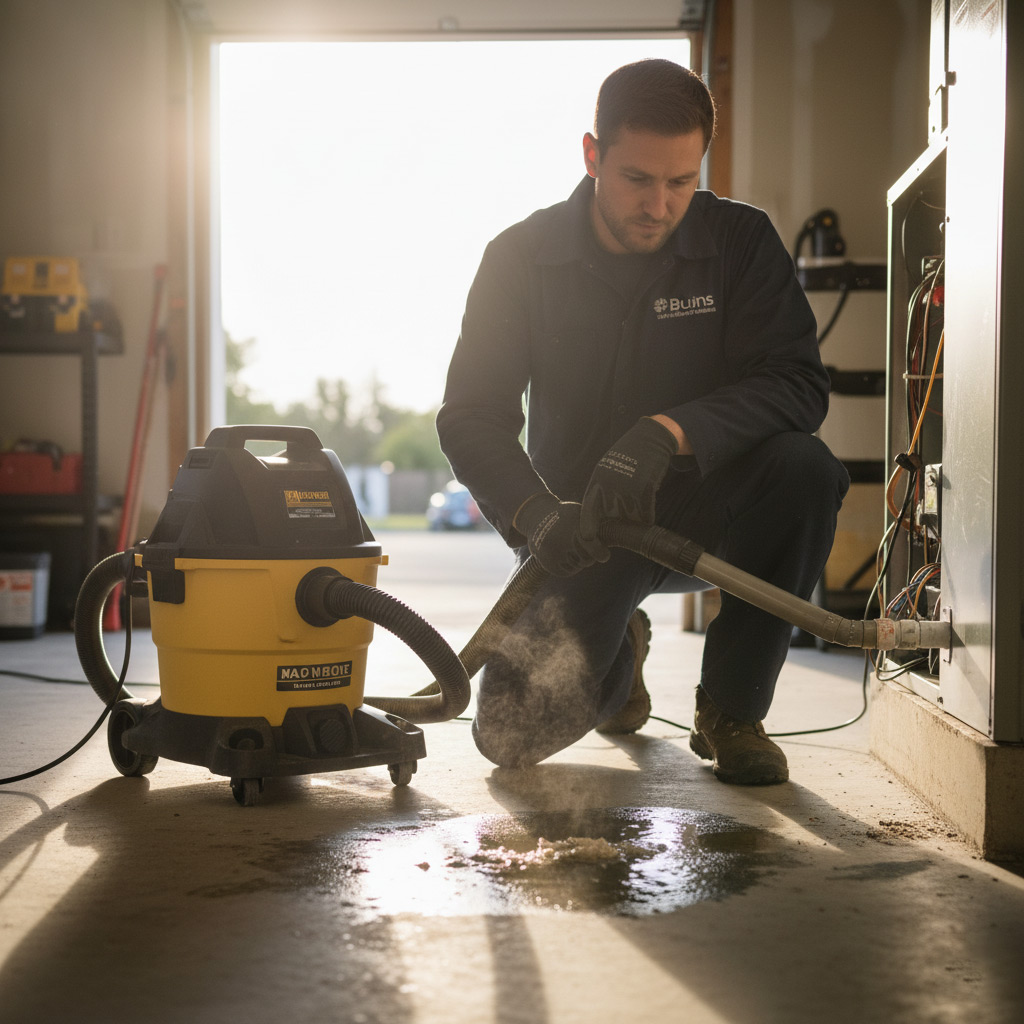
Before the first refrigerant line ever touches a wall, a qualified technician will walk the entire duct network. They’re looking for leaks, crushed sections, and any bends that could choke airflow. Missing a hidden leak can add $1,000‑$2,000 in energy waste before you even finish the install.
Typical ductwork scenarios and their price tags
- Simple clean‑out: remove debris, seal minor gaps – $300‑$600.
- Section replacement: swap out corroded metal or cracked flex – $800‑$1,500 per 100 ft.
- Re‑routing for new zones: add elbows, balance dampers – $1,200‑$2,500.
Older buildings often need a full pressure test to certify the system. That test alone can run $400‑$700, but it saves you from surprise failures later. If the test reveals multiple problem spots, the contractor will propose a phased repair plan so you can spread costs over time.
Don’t forget the little things that add up: insulation sleeves for cold‑air runs, fire‑rated collars around penetrations, and custom fabrications for awkward corners. Each of these can tack on $100‑$400 per item, but they’re essential for code compliance and long‑term performance.
Case Study: Successful Commercial AC Installation for a Shreveport Retail Complex
Client: A 30,000‑sq‑ft retail center on the outskirts of Shreveport needed a new cooling system before the summer rush. The existing units were over‑aged, leaky, and driving up energy bills. Our crew arrived with a clear mission: replace, upgrade, and stay under the client’s $45,000 budget.
What We Did
First, we performed a rapid load calculation and discovered the building required a 5‑ton, variable‑speed unit—perfect for the fluctuating foot traffic. Next, we tackled the ductwork, which had several rusted sections.
- New R‑410A refrigerant system – $22,300
- Labor (HVAC techs + electricians) – $12,500
- Materials (duct repairs, insulation, controls) – $6,200
- Permits & inspection fees – $1,500
The total landed at $42,500, leaving a comfortable buffer for unexpected tweaks.
Results That Speak
Within two weeks the store reported a 30% drop in utility costs and a noticeable improvement in shopper comfort. The owner praised the “no‑surprise” billing and the fact we finished ahead of schedule.
Bottom line: a well‑planned install saved the client money, kept customers happy, and proved that a solid quote beats a flat‑rate myth any day.
Final Words
Don’t let a vague quote turn into a surprise bill. Ask for a line‑item breakdown and keep a copy for your records. When you see every charge, you can spot the padding before it hits your wallet.
What to ask your installer
- What’s the exact SEER rating and why does it matter for my building?
- Are there any local permit fees that aren’t included in the estimate?
- Will the existing ductwork need repair, and how much will that cost?
These questions force the contractor to be transparent. If they stumble, you’ve already got leverage.
Next step
Ready to compare real numbers? Dive into our Commercial AC Installation page for tools, checklists, and a free quote request form. Your bottom line will thank you.
People Also Ask
What factors determine the total cost of a commercial AC installation in Shreveport?
The total cost is driven by equipment price, labor rates, and required materials such as ductwork and insulation. Additional variables include building size, load calculations, refrigerant type, and local permit fees.How does the size of a commercial building affect AC installation pricing?
Larger square footage typically requires a higher-capacity system and more extensive ductwork, which raises both equipment and labor costs. Complex layouts may also need extra zoning or custom solutions, further increasing the price.Are there specific permits or regulations in Shreveport that add to installation expenses?
Yes, Shreveport requires mechanical permits, inspections, and compliance with the Louisiana Energy Code, which can add permit fees and potential re‑work costs. Failure to obtain proper permits may result in fines or costly retrofits.Do energy‑efficient refrigerants increase the upfront cost of a commercial AC system?
High‑efficiency refrigerants like R‑410A often have a higher purchase price, but they can lower long‑term operating costs and may qualify for rebates. The initial investment is offset by reduced energy consumption and potential tax incentives.What hidden costs should businesses watch for during a commercial AC installation?
Hidden expenses can include unexpected duct repairs, structural modifications, electrical upgrades, and disposal fees for old equipment. Conducting a thorough pre‑installation assessment helps identify these costs early.
Shreveport HVAC brings over 20 years of residential and commercial climate‑control expertise to the Shreveport community. Their team of certified technicians delivers reliable heating, cooling, and indoor‑air‑quality solutions tailored to local needs. Committed to prompt service and lasting performance, they keep homes and businesses comfortable year‑round.
Need HVAC?
Rapid HVAC repair and installation that restores comfort and efficiency across Shreveport and nearby ZIPs (71101, 71103, 71107, 71109, 71115). Our technicians arrive on time and finish the job right the first time.
Request HVAC Quote