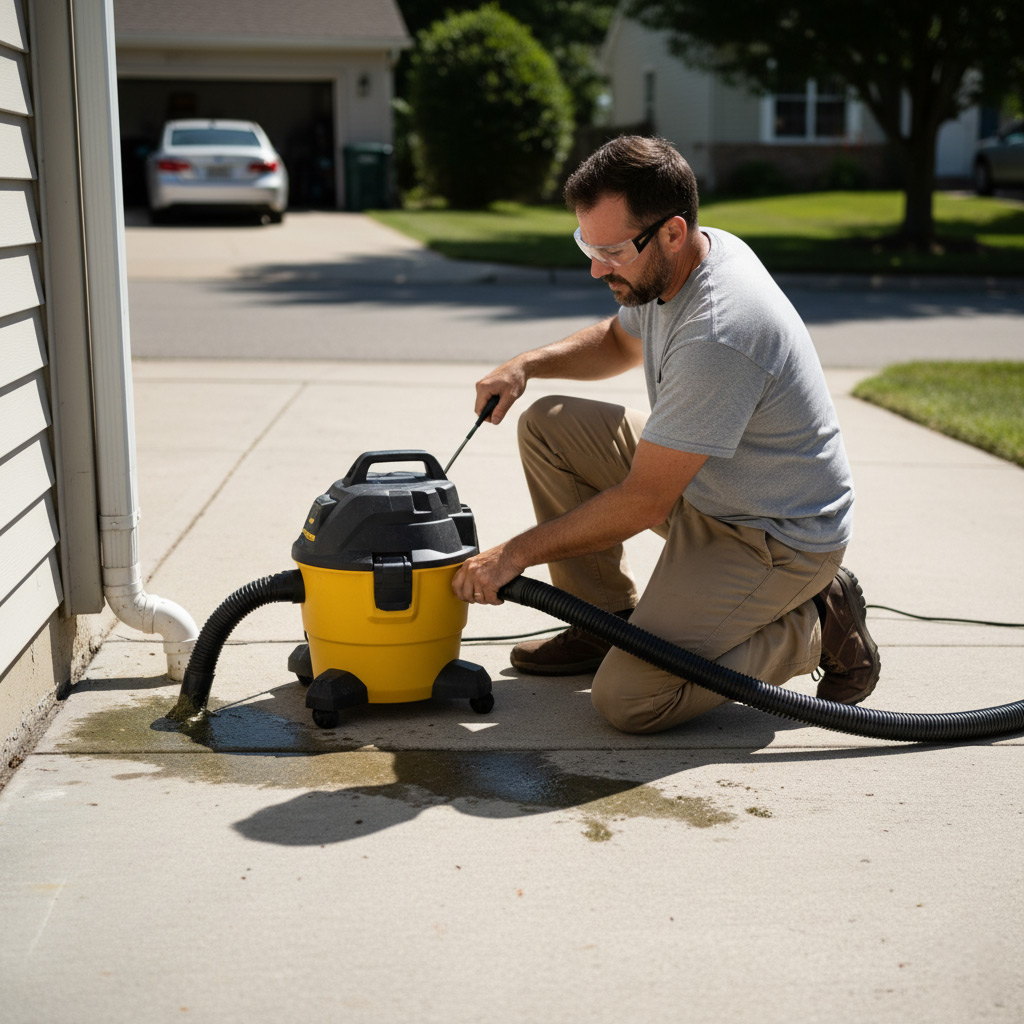
Your boiler isn’t just a metal box—it’s the heart of comfort in a Shreveport winter, and when it starts hiccuping, you’ll feel it before the frost even hits the windows.
Catch the warning signs early and you’ll dodge costly repairs, keep your family safe, and avoid that bone‑chilling night when the heat quits on you.
From leaky pressure valves to a sputtering pilot light, the most common culprits show up in predictable ways—if you know what to look for, you can stop a small glitch from becoming a full‑blown disaster.
Grab the checklist below and you’ll spot trouble before it turns your heating bill into a nightmare.
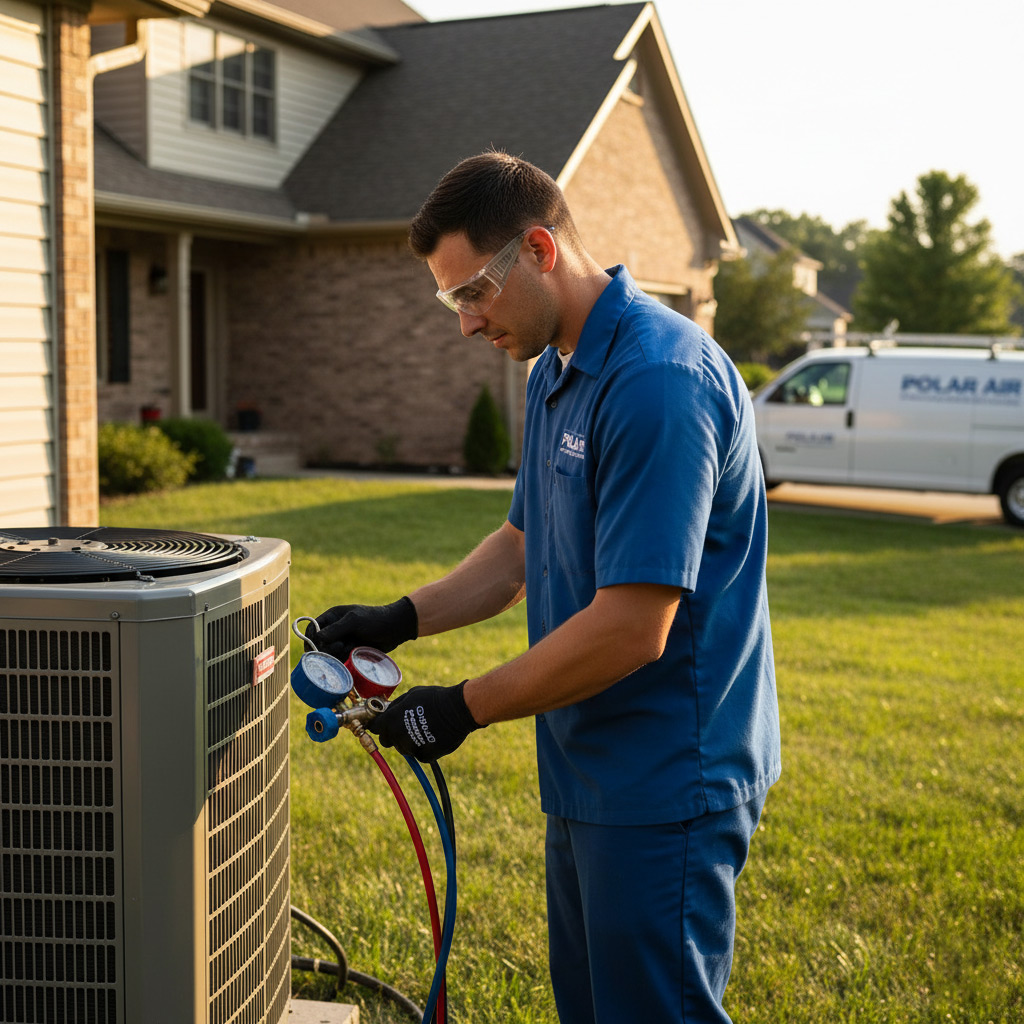
Understanding How a Boiler Works in Shreveport’s Climate
In Shreveport, winter temperatures can swing from mild to bone‑cold in a single night. Your boiler’s job is simple: turn water into hot water, then push that heat through radiators or a hydronic floor system so every room stays cozy. When the outdoor chill spikes, the boiler works harder, so you’ll notice any hiccup faster than in a milder climate.
Heat Transfer Basics
The core of the system is the heat exchanger. Gas or oil burns in the burner, heating the exchanger’s metal walls. Water circulates around those walls, absorbs the heat, and travels to the house’s distribution network. If the exchanger gets clogged with scale, the water can’t pick up enough heat, and you’ll feel a drop in temperature before the thermostat even registers it.
Key Components That Feel the Weather
- Thermostat – tells the boiler when to fire up or shut down.
- Pressure gauge – shows if the system is holding the right pressure (usually 12‑15 psi in Shreveport).
- Expansion tank – absorbs water expansion when it heats up.
- Vent pipe – safely carries combustion gases out of the house.
Because Shreveport’s humidity can cause condensation inside the boiler, a well‑functioning condensate drain is crucial. A blocked drain leads to water backing up, rust, and eventually a costly shutdown. Keep an eye on those parts, and you’ll catch problems before they snowball into a full‑blown repair.
Common Early Warning Signs and What They Mean
When a boiler starts sending mixed signals, it’s usually trying to tell you something before the whole system quits. Ignoring those clues can turn a simple fix into a pricey emergency, especially when Shreveport’s winter bites hard.
Strange Noises
Listen for clanking, whistling, or a steady rattling that wasn’t there before. Those sounds often point to air trapped in the system, a loose pump, or a failing heat exchanger—issues that can cause overheating if left unchecked.
Fluctuating Temperatures
If rooms swing from toasty to icy in a matter of minutes, the thermostat or pressure valve is probably out of sync. Inconsistent heat usually means the boiler is struggling to maintain pressure, a sign that the expansion tank might be low or the pressure gauge is faulty.
Water Leaks or Moisture
Any damp spot around the boiler, a puddle on the floor, or a persistent drip from the pressure relief valve is a red flag. Leaks often signal corroded pipe joints, a cracked heat exchanger, or a failing condensate pump—problems that can lead to water damage and reduced efficiency.
Unusual Pilot Light Behavior
A flickering pilot, a dim flame, or a pilot that won’t stay lit is more than a nuisance. It typically indicates a dirty or misaligned thermocouple, low gas pressure, or a venting issue that can shut the boiler down entirely.
Higher Than Usual Energy Bills
When your utility statement spikes without a change in usage, the boiler is probably working harder than it should. This can be caused by soot buildup, a clogged burner, or a failing circulator pump that forces the system to overcompensate.
- Clanking or rattling – trapped air or loose components.
- Whistling – high pressure or a failing valve.
- Fluctuating room temps – pressure or thermostat issues.
- Visible leaks – corroded joints or cracked heat exchanger.
- Pilot light problems – dirty thermocouple or vent blockage.
- Sudden bill increase – soot, clogged burner, or pump failure.
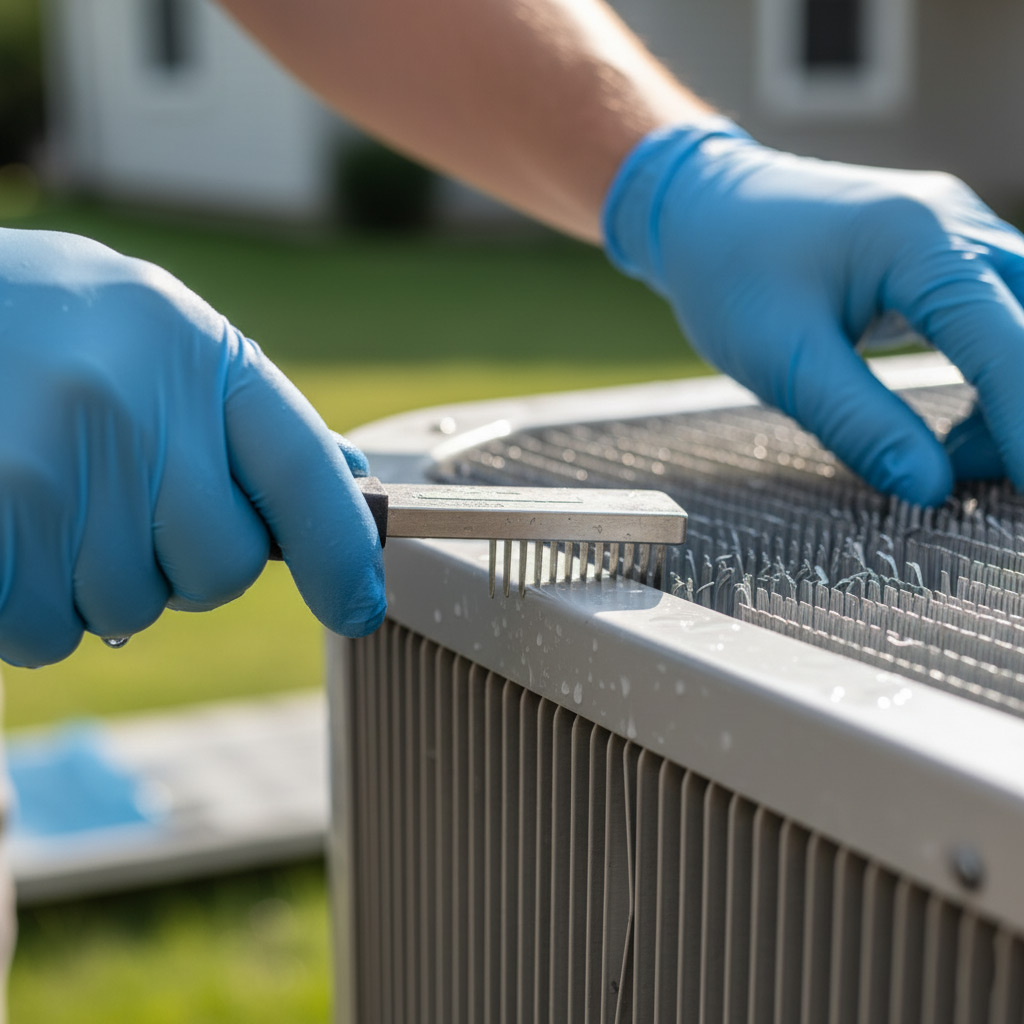
DIY Inspection Checklist: Step‑by‑Step Guide
Grab a flashlight, a notepad, and a little time. Doing a quick once‑over each month can catch a problem before it freezes your wallet.
1. Visual Inspection – Look, Listen, Feel
Walk around the boiler and give it a once‑over. You’re hunting for rust, water stains, or any loose connections.
- Check the exterior for corrosion or dents.
- Make sure the area is clean; dust can hide leaks.
- Listen for odd hissing or rattling noises while the system runs.
2. Pressure & Temperature Check
Open the pressure gauge and compare the reading to the manufacturer’s range—usually 1.0‑1.5 bar when cold.
- If it’s below 1.0 bar, add water using the fill valve.
- Watch the temperature dial; a sudden drop could mean a stuck thermostat.
- Note any fluctuations; they often signal a failing pressure‑relief valve.
3. Pilot Light & Safety Controls
Turn off the gas, wait a minute, then reignite the pilot if it’s dim or flickering.
- Confirm the flame is blue with a steady tip—yellow means incomplete combustion.
- Test the emergency shut‑off switch; it should click firmly.
- Inspect the carbon monoxide detector nearby; replace batteries if needed.
When to Call a Professional: Red Flags That Require Expert Help
Even the savviest DIYer hits a wall when a boiler starts acting like a ticking time bomb. When the problem goes beyond a simple visual check, it’s time to hand the reins over to a licensed tech. Ignoring the signs can turn a $200 fix into a $2,000 nightmare.
Immediate Red Flags
- Carbon monoxide alarm sounds – never gamble with invisible poison.
- Boiler won’t ignite or the pilot light keeps blowing out.
- Unusual banging, clanking, or whistling noises that won’t stop.
- Water leaks that flood the basement or create rust spots.
- Pressure gauge spikes above 2.0 psi or drops below 0.5 psi.
If any of those pop up, call a pro right away. Delaying only gives the issue more time to spread.
Situations That Need a Pro
- Repeated thermostat failures or erratic temperature swings.
- Corroded or cracked heat exchanger – a silent fire hazard.
- Frequent emergency shut‑offs after the system runs for a few minutes.
- Old boiler (15+ years) that’s showing multiple warning signs.
- Any repair that requires opening the gas valve or electrical components.
When you see these, pick up the phone. A qualified technician will diagnose, fix, and certify that your home stays warm and safe all winter long.
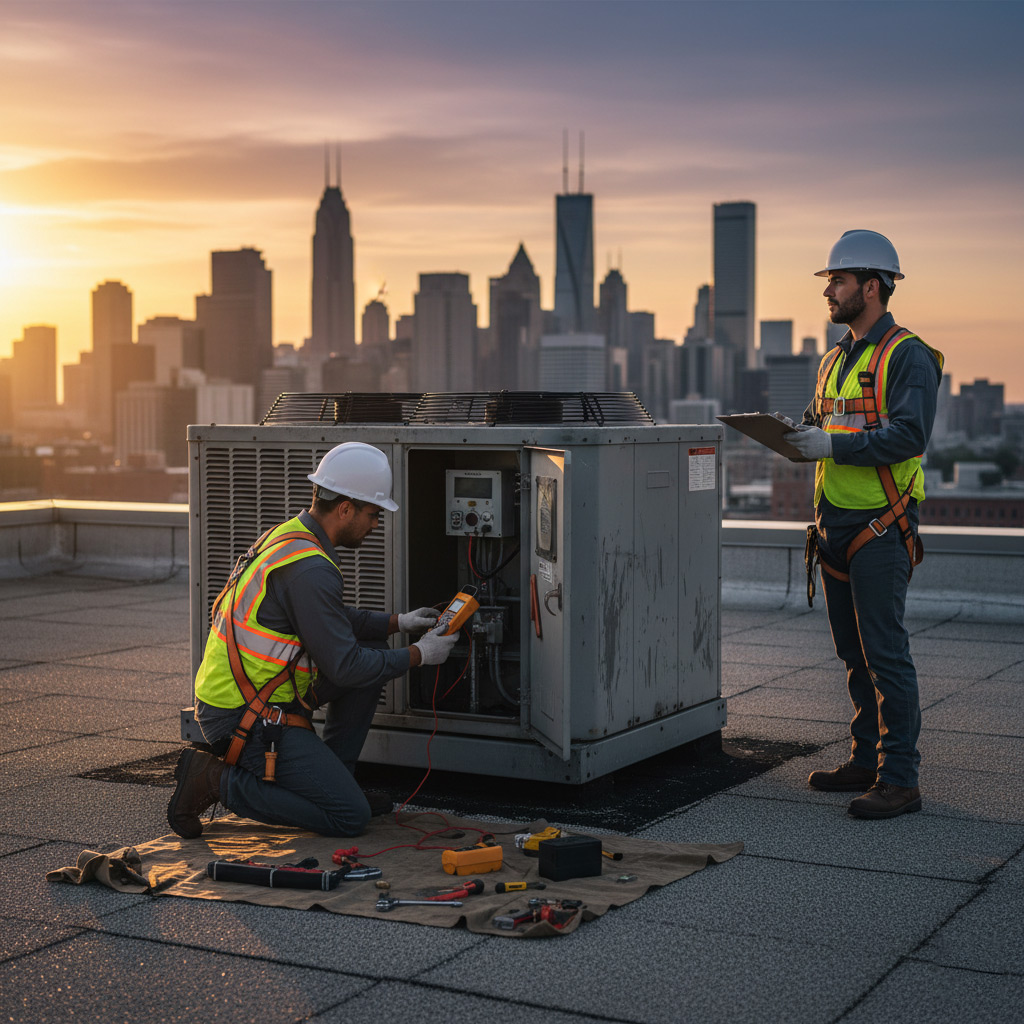
Preventative Maintenance Tips to Extend Boiler Life
Think of your boiler like a race car—regular pit stops keep it roaring when the cold hits. A quick once‑a‑year check can shave years off wear and keep your heating bills from spiking.
Annual Tune‑Up
Schedule a professional service before the first frost. They’ll:
- Inspect the heat exchanger for cracks.
- Clean the burner and replace the spark electrode.
- Test the pressure relief valve and calibrate the thermostat.
Doing this every 12 months means you catch corrosion before it eats through metal, and you avoid surprise shutdowns when you need heat most.
Seasonal Checks
When you flip the thermostat to “heat,” give the system a quick look. You should:
- Verify the water pressure sits between 1.0‑1.5 bar.
- Listen for odd rattles or hissing sounds.
- Wipe away dust from the vent and ensure the flue is clear.
These three steps take under five minutes but can prevent a costly leak or carbon monoxide risk.
Smart Habits
Little daily actions add up. Remember to:
- Bleed radiators when rooms feel cold.
- Keep the area around the boiler free of clutter.
- Replace the pilot light’s thermocouple every 2‑3 years.
When you treat the boiler like a trusted teammate, it rewards you with steady warmth and a longer service life.
Case Study: How Early Detection Saved a Shreveport Homeowner $2,300
The Situation
When the Martinez family noticed a faint hissing sound from their boiler, they assumed it was just the house settling for winter. Instead of ignoring it, they grabbed the checklist we recommend and ran a quick visual scan. Within minutes they spotted a tiny leak on the pressure relief valve.
The Discovery
They shut off the boiler, tightened the valve, and called our team for a professional inspection. Our technician confirmed a cracked seal that, if left unchecked, would have forced a full‑system replacement. The fix took under an hour and cost less than a dinner out.
The Savings
Because the problem was caught early, the Martinez family avoided a cascade of damage that typically runs $2,300‑$3,500 in Shreveport. Here’s the breakdown:
- Seal replacement: $150
- Labor (hourly rate): $120
- Prevented boiler core damage: $2,030
That $2,030 never left their wallet thanks to a simple ear‑check and a quick call. Proof that a few minutes of attention can save a homeowner a small fortune.
Final Words
Take Action Today
Don’t wait for the first frost to discover a problem. A quick glance at the pressure gauge, a listen for odd noises, and a check of the pilot flame can save you a bundle. Spot the issue now and you’ll keep the heat humming all winter long.
- Check the pressure gauge weekly – 12‑15 psi is normal.
- Listen for rattles or hissing sounds before bedtime.
- Inspect the pilot light for steady, blue flame.
If anything feels off, grab your phone and call a certified Boiler Repair pro. A short visit now prevents a costly shutdown later, and you’ll sleep easy knowing the house stays warm.
People Also Ask
How often should I inspect my boiler in Shreveport?
A visual inspection should be done monthly, especially before the heating season. Schedule a professional service at least once a year to catch hidden issues.What are the most common early signs of a failing boiler?
Look for unusual noises, fluctuating water pressure, and a yellow or flickering pilot light. These symptoms often indicate wear or safety concerns.Can I clean my boiler’s heat exchanger myself?
Minor debris can be removed with a soft brush and vacuum, but deep cleaning requires specialized tools. Improper cleaning can damage the exchanger, so consider a technician for thorough work.When does a boiler leak become an emergency?
Any water pooling around the boiler or a sudden drop in pressure should be addressed immediately. Ignoring leaks can lead to water damage and costly repairs.What maintenance tasks can extend my boiler’s lifespan?
Regularly bleed radiators, test the pressure relief valve, and keep the area around the boiler clear of clutter. Consistent upkeep reduces strain and improves efficiency.
Shreveport HVAC brings over 20 years of certified expertise to homes and businesses throughout Shreveport, LA. Their team of licensed technicians specializes in heating, cooling, and indoor air quality solutions tailored to the region’s climate. Committed to reliable service and community trust, they keep local properties comfortable year‑round.
Need HVAC?
Rapid HVAC repair and installation that restores comfort and efficiency across Shreveport and nearby ZIPs (71101, 71103, 71107, 71109, 71115). Our technicians arrive on time and finish the job right the first time.
Request HVAC Quote