Imagine walking into your home and feeling the perfect breeze the moment you step through the door—no sweat, no shivers, just right. That’s what a well‑designed HVAC system does for a Shreveport homeowner who knows the difference between a guess and a plan.
Most folks treat heating and cooling like an after‑thought, slapping together a unit and hoping for the best. We’re about to hand you a step‑by‑step playbook that turns guesswork into a profit‑making blueprint.
Grab the map, follow the markers, and watch your comfort level climb while your energy bill drops—ready to see how the pros do it?

Understanding Shreveport’s Climate and Its Impact on HVAC Design
Shreveport lives in a sweet spot of the South: scorching summers that push the mercury into the high 90s, humidity that feels like a wet blanket, and winters that hover just above freezing. Those swings aren’t just weather talk—they dictate how a furnace, air‑conditioner, and everything in between must behave. Miss the mark and you’ll be sweating in July or shivering in December, and your utility bill will scream.
Because the air is so moist, a good HVAC plan can’t ignore de‑humidification. A system that cools but leaves the humidity high will feel clammy, and mold will set up shop. On the flip side, an oversized unit will short‑cycle, waste power, and wear out faster. The sweet spot is a system that balances temperature and moisture without overworking.
Key Climate Variables to Factor In
- Peak summer heat – design for the hottest days, not the average.
- Humidity levels that often exceed 70% – require robust moisture removal.
- Winter lows that dip into the 30s – need reliable heating capacity.
- Frequent thunderstorms – demand corrosion‑resistant components.
- Occasional cold snaps – a backup heat source can save you.
Conducting Accurate Load Calculations: The Blueprint for Efficiency
Before you pick a furnace or a split‑system, you need to know exactly how much heating and cooling your Shreveport home actually demands. A mis‑sized unit is a money‑sucking black hole—too big and you waste power, too small and you’ll be shivering in July. Get the numbers right, and the system will pay for itself.
Why Load Calculations Matter
Load calculations translate the quirks of your house—square footage, ceiling height, sun‑exposed walls—into a clear, actionable figure. This isn’t guesswork; it’s a science that tells you the BTU (British Thermal Units) you truly need. Skip it, and you’re gambling with comfort and your wallet.
- Square footage and room layout
- Insulation levels and window types
- Orientation to the sun (north, south, east, west)
- Local climate data (cooling degree days, heating degree days)
- Number of occupants and typical usage patterns
Most homeowners rely on the “rule of thumb”—12,000 BTU per 1,000 sq ft—and end up with a system that’s either overkill or underpowered. A professional Manual J calculation, or a reputable software tool, crunches those variables into a precise load figure. When the math is solid, the comfort is automatic.

Choosing the Ideal System Type and Components for Your Home
First thing’s first: know what you’re feeding your house. A 2,200‑sq‑ft ranch in the heart of Shreveport needs a different beast than a compact condo downtown. Match the system’s capacity to your square footage, insulation level, and window count—or you’ll end up with a furnace that roars like a lion and still leaves a cold spot in the bedroom.
Heat Pump or Traditional Furnace?
Both have a place, but they play different games. A heat pump pulls heat from the outside air, even when it’s 30°F, and can double as an AC in the summer. A furnace burns gas or oil, delivering instant heat that feels like a hug on a bitter night.
- Heat Pump: lower utility bills, fewer moving parts, great for mild winters.
- Furnace: powerful output, reliable in deep freezes, often cheaper upfront.
- Hybrid (dual‑fuel): lets you switch between electric and gas depending on the temperature.
Key Components That Make or Break Performance
Even the best‑rated unit can sputter if the supporting parts are cheap or mismatched. Focus on these three:
- Variable‑speed blower – smooth airflow, quieter operation, and better humidity control.
- High‑efficiency coil – keeps the refrigerant at optimal pressure, cutting waste.
- Smart thermostat – not just a fancy dial; it learns your schedule and trims energy use.
Designing Ductwork for Optimal Airflow and Energy Savings
Start with the right layout
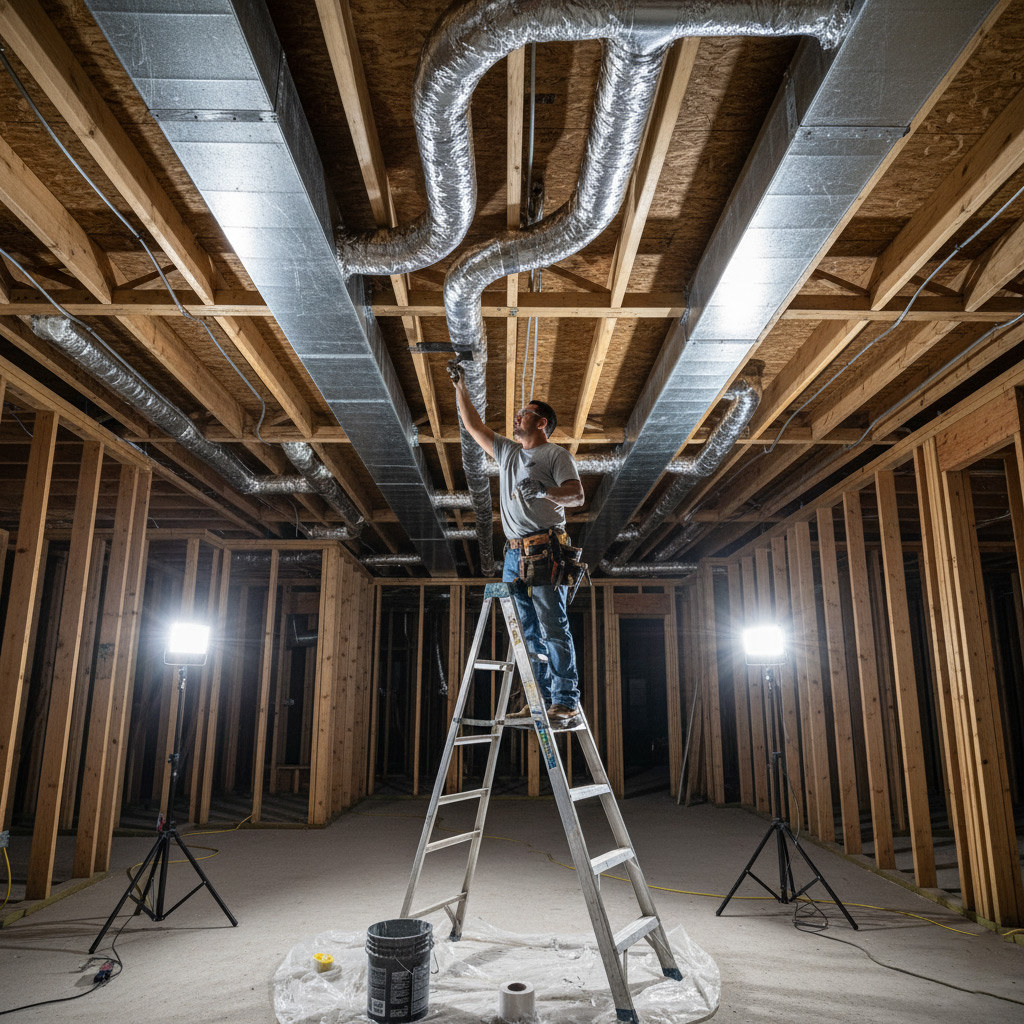
Every foot of duct is a chance to lose heat or cool air. Keep runs short and straight whenever you can; bends are the enemy of consistent temperature.
Map the path before you cut metal. Sketch a “spine” that runs from the furnace to the farthest room, then branch out like a tree. This visual helps you spot unnecessary loops early.
Size matters – but not the way you think
Oversized ducts sound fancy, but they slow the air, raise fan power, and spike your bill. Use the Manual D method or a trusted software tool to hit the sweet spot.
- Supply ducts: 3‑4 inches larger than return for balanced pressure.
- Flex duct: reserve it for tight spots, not main trunks.
- Insulate all ducts in unconditioned spaces – it’s cheap insurance.
Seal, seal, seal – then test
Even a tiny gap can waste a ton of energy. Apply mastic or UL‑rated foil tape at every joint; skip the cheap duct tape.
After installation, run a blower door test or use a smoke pencil. Watch the smoke drift – if it escapes, you’ve got work to do. Fix it now, and you’ll feel the payoff when the thermostat finally obeys.
Integrating Smart Controls and Zoning for Personalized Comfort
Imagine telling your HVAC system exactly what you want, when you want it. A smart thermostat does that—learning your schedule, adjusting on the fly, and letting you tweak settings from a phone. Instant feedback means you never have to guess if the house is too hot or too cold.
Why Smart Controls Matter
These devices do more than set a temperature. They track humidity, detect open windows, and even warn you of filter clogs. The result? Lower bills and a system that runs only when it should. No more wasted cycles.
Zone‑by‑Zone Comfort
Dividing your home into zones lets each area get the exact airflow it needs. A bedroom can stay cool while the living room stays warm, all without fighting over a single thermostat. Set up zones by:
- Installing motorized dampers in the main trunk lines.
- Pairing each zone with its own thermostat or sensor.
- Programming schedules that match room usage patterns.
When zones talk to your smart controller, the system knows where to send conditioned air and where to hold back. That precision cuts waste and keeps every family member happy.
Putting It All Together
Start with a reliable Wi‑Fi thermostat—Nest, Ecobee, or a local brand that integrates with your HVAC. Then map out zones based on room function and occupancy. Finally, link everything through the thermostat’s app, set your preferred temperatures, and let the system do the heavy lifting.
Regularly check sensor placement and keep dampers clean. A quick glance at the app will tell you if a zone is under‑performing, so you can fix it before it becomes a problem. Smart controls plus zoning = a home that feels right, every single day.
Case Study: Revamping a Historic Shreveport Residence with a Custom HVAC Solution
Background
Built in 1925, the Craftsman‑style home sits on a tree‑lined lot in the heart of Shreveport. The original furnace was a relic, and the attic housed a rusted, single‑stage air conditioner that barely kept up with summer heat. The owners wanted modern comfort without sacrificing the house’s historic charm.
Design Challenges
Three obstacles stood in the way:
- Space constraints – the crawl space was too narrow for conventional duct runs.
- Preservation rules – the city’s historic district board forbids visible alterations to the façade.
- Variable loads – hot, humid summers and chilly, damp winters demand a flexible system.
Solution & Results
We opted for a high‑efficiency, variable‑speed heat pump paired with a compact, insulated ductless mini‑split for the master suite. A custom‑fabricated, low‑profile duct manifold slipped behind the original plaster, keeping the interior look untouched. The homeowner now enjoys consistent temperatures year‑round, and the utility bill dropped by roughly 30%.
Final Words
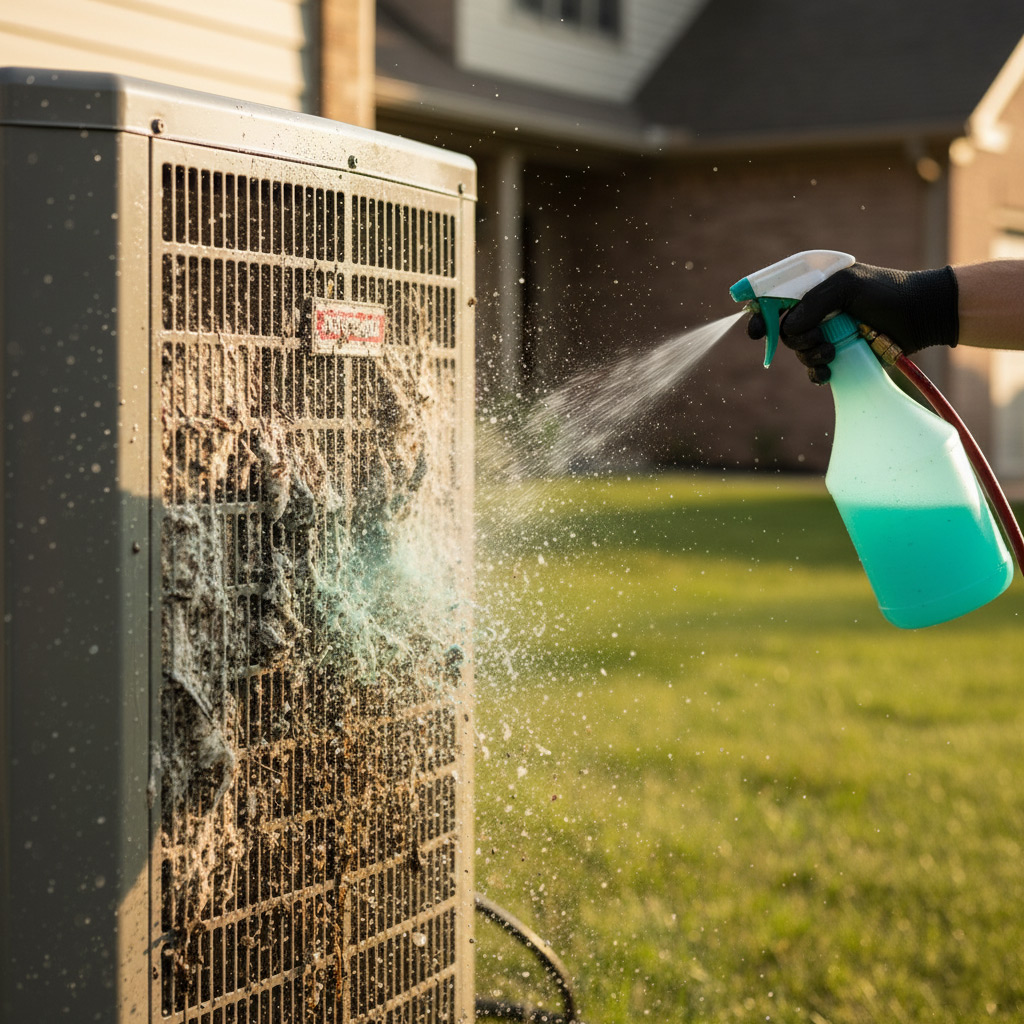
Even the smartest design falls flat without regular attention. A quick visual check each season, cleaning filters, and a yearly professional tune‑up keep the system humming and your wallet happy.
What to Do Now
- Schedule a load‑calculation review before the next heating season.
- Inspect duct seams for leaks; seal any gaps with mastic tape.
- Program your smart thermostat for a “away” mode when the house is empty.
These three moves lock in comfort and shave dollars off the next bill. It’s a tiny habit that pays big dividends.
Need a Pro?
If you’d rather skip the DIY guesswork, our team lives and breathes HVAC System Design. We’ll take your blueprint, run the numbers, and install a system that feels custom‑made for your Shreveport home.
People Also Ask
How does Shreveport’s humid subtropical climate affect HVAC system design?
The high humidity and hot summers require equipment with strong dehumidification capacity and efficient cooling. Selecting a system with a high SEER rating and proper moisture control helps maintain comfort while reducing energy costs.What is the importance of accurate load calculations for a Shreveport home?
Accurate load calculations ensure the HVAC system is sized correctly for the local climate and home layout. Oversized units waste energy, while undersized units struggle to maintain comfort, leading to higher utility bills and premature wear.Which HVAC system types are best suited for historic homes in Shreveport?
Mini‑split heat pumps and high‑efficiency furnaces are popular choices because they can be installed with minimal ductwork alterations. These systems provide reliable heating and cooling while preserving the home’s historic character.How can smart controls and zoning improve energy savings in Shreveport residences?
Smart thermostats and zoning allow each area of the house to be heated or cooled only when needed, reducing unnecessary runtime. This targeted approach can cut energy usage by up to 20% compared to a single‑zone system.What are the key considerations when designing ductwork for optimal airflow?
Proper duct sizing, sealing, and insulation are essential to prevent air leaks and pressure loss. Balanced airflow ensures each room receives the right amount of conditioned air, enhancing comfort and efficiency.
Shreveport HVAC brings over two decades of certified HVAC service to homes and businesses throughout Shreveport, LA. Their team of licensed technicians specializes in installation, maintenance, and repair of heating and cooling systems, ensuring reliable comfort year‑round. Committed to the community, they prioritize responsive service and local knowledge to meet each client’s unique needs.
Need HVAC?
Rapid HVAC repair and installation that restores comfort and efficiency across Shreveport and nearby ZIPs (71101, 71103, 71107, 71109, 71115). Our technicians arrive on time and finish the job right the first time.
Request HVAC Quote