When your furnace coughs and sputters in the dead of a Shreveport winter, you feel the chill before the heat even has a chance to kick in. Most homeowners panic, call the first tech on speed‑dial, and end up paying for a fix they didn’t need.
What the pros don’t shout about is that a handful of simple tricks can save you a bundle and keep the furnace humming for years. We’re pulling back the curtain on the exact steps they use to diagnose, repair, and prevent the same nightmare from returning.
In Shreveport’s swing‑season, humidity and temperature swings turn a minor glitch into a full‑blown outage if you miss the warning signs. That’s why knowing the insider checklist is worth its weight in gold.
Stick around, and you’ll discover the exact questions to ask your technician, the tools that can spot a failing part before it quits, and the maintenance hacks that keep your furnace running like a champ.
Recognizing Early Warning Signs of Furnace Trouble in Shreveport
Shreveport winters can turn a cozy home into an ice box in minutes if your furnace throws a tantrum. Spotting the trouble before it erupts saves you from scrambling in the cold and keeps the repair bill from ballooning.
Common Red Flags
- Strange noises – rattling, squealing, or a steady click that wasn’t there before.
- Uneven heat – rooms that stay chilly while others feel like a sauna.
- Frequent cycling – the furnace turns on and off every few minutes.
- Yellow flame – a sign the burner isn’t getting enough air.
- Higher utility bills – a sudden jump often means the unit is working harder than it should.
When any of these symptoms pop up, don’t wait for a full‑blown outage. Turn off the thermostat, give the unit a quick visual check, and call a local tech who knows Shreveport’s climate quirks. Acting fast keeps the heat flowing and the wallet happy.
The Pro’s Diagnostic Checklist: Essential Tools and Tests
Before you even lift a wrench, a seasoned tech runs a mental inventory of what could be wrong. That quick mental run‑through saves time, cuts guesswork, and keeps the price tag from ballooning.
Must‑Have Tools in Your Toolbox
- Multimeter – checks voltage, continuity, and resistance on coils and switches.
- Manometer – measures gas pressure to ensure the burner is getting the right flow.
- Thermometer (infrared or probe) – spots uneven heat distribution across the furnace.
- Combustion analyzer – reads carbon monoxide and oxygen levels for safe combustion.
- Vacuum pump and leak detector – hunts down tiny leaks in the gas line before they become hazards.
Each of these gadgets does one job, but together they paint a complete picture of furnace health. If a tool is missing, the tech will either pause or risk a misdiagnosis.
Core Tests Every Pro Runs
- Voltage check at the thermostat and furnace control board – confirms power is reaching the unit.
- Continuity test on the ignitor and limit switches – catches a failed component before it fries the system.
- Gas pressure verification – ensures the burner gets the right amount of fuel for clean burn.
- Flame sensor reading – validates that the flame is stable and within safe parameters.
- Airflow measurement – compares supply and return rates to spot clogged filters or duct issues.
Running these tests in order lets the technician pinpoint the exact failure point, not just the symptom. That’s why the checklist is the secret sauce behind a quick, honest repair.
DIY Maintenance Hacks to Extend Furnace Life and Cut Costs
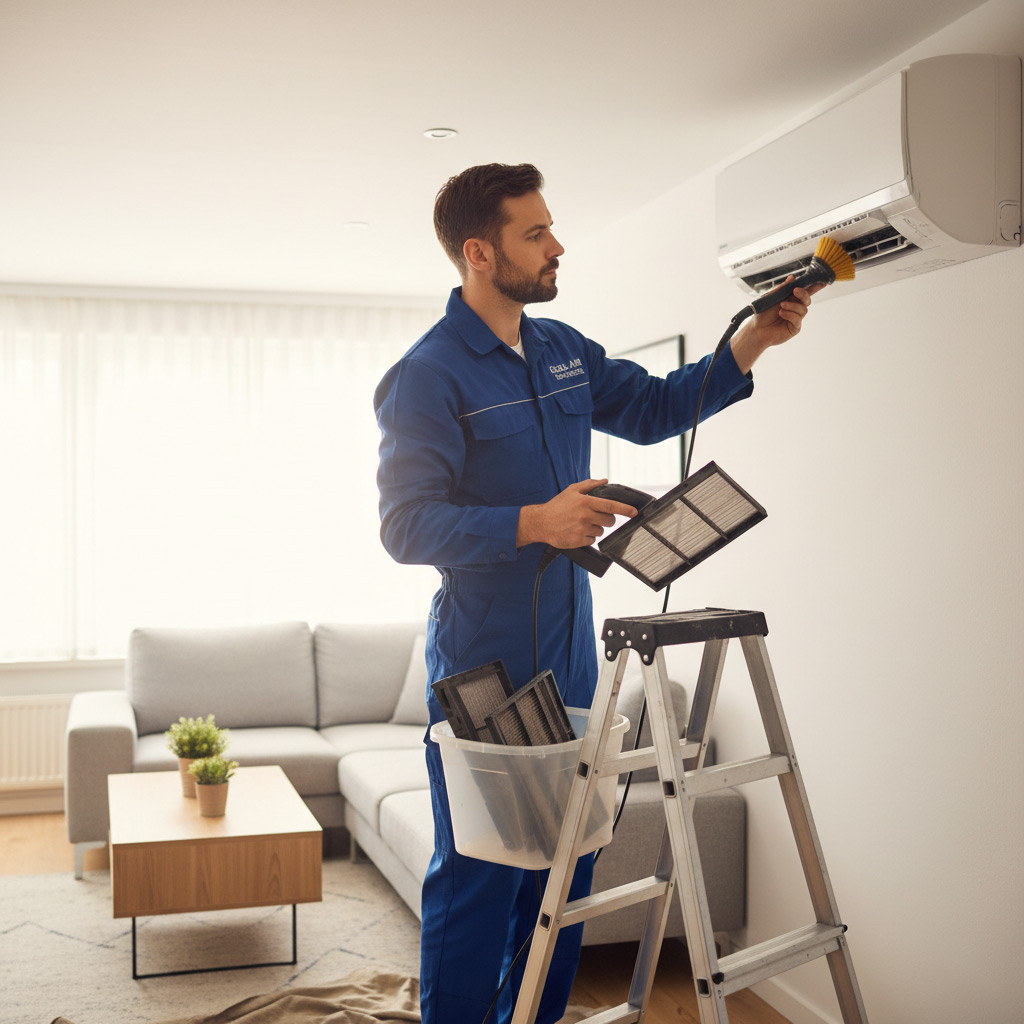
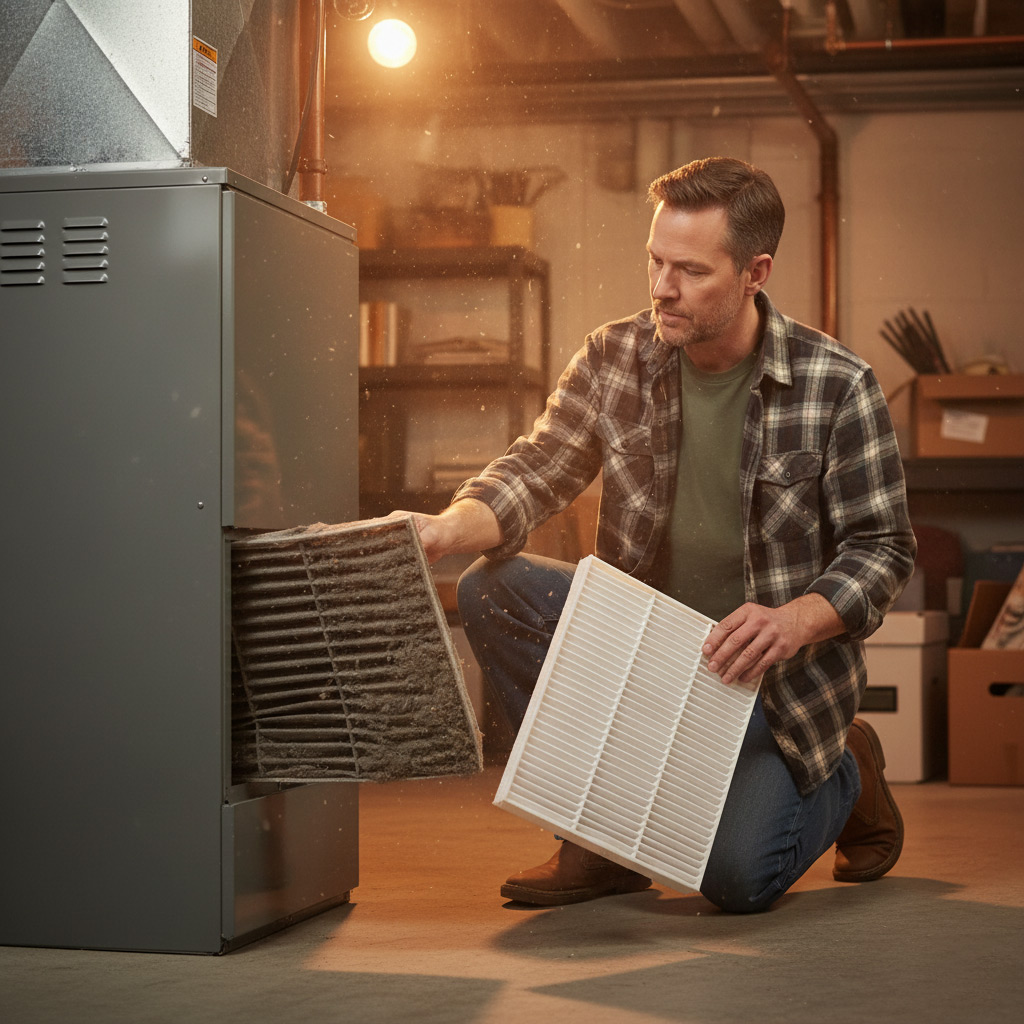
First thing’s first: swap that filter every 30 days during heating season. A clogged filter forces the blower to work harder, spiking electricity use and wearing out the motor faster. Grab a pleated 1‑inch filter, slide it in, and you’ll notice a smoother airflow within minutes.
Seal the Ducts, Seal the Savings
Leaky ducts are silent money‑stealers. Walk around your basement or attic with a flashlight; feel for drafts around joints. Seal gaps with foil‑backed tape or a quick‑dry mastic, and you’ll keep more warm air where it belongs.
- Inspect every visible joint.
- Apply foil tape – not duct tape.
- Wrap mastic around larger holes.
Smart Thermostat Tweaks
Modern thermostats do more than set a temperature. Program a 7‑degree setback at night or when you’re out, then let the system kick back on an hour before you return. The result? Lower bills without sacrificing comfort.
- Set night‑away schedule.
- Use the “eco” mode if available.
- Check battery health quarterly.
What to Ask Your HVAC Technician: Insider Questions That Save Money
Before the tech even lifts a wrench, fire off the right questions. It forces the pro to justify every move and keeps surprise charges off the bill.
The Must‑Ask Questions
- What’s the exact part that’s failing? – Get the model number and why it’s the culprit.
- Can this be repaired instead of replaced? – A repair can shave hundreds off a brand‑new unit.
- Do you see any wear that could cause future breakdowns? – Spotting a future problem now avoids a second call.
- What’s the warranty on the part and the labor? – Knowing coverage saves you from paying twice.
- Is there a cheaper, same‑quality alternative? – Not all OEM parts are the only option.
When the tech answers, ask for a quick visual. “Can you point it out on the furnace?” forces a real‑time demo and proves the issue isn’t a phantom.
Finally, lock down the price before work starts. “What’s the total cost, parts and labor, before you begin?” makes the estimate concrete and gives you leverage to negotiate or walk away.
Spotting Hidden Fees: How to Avoid Unnecessary Repair Charges
Common Surprise Charges
When the tech arrives, the first thing to watch for is a “diagnostic fee” that suddenly balloons into a “service call” charge. That extra $75–$120 often covers nothing more than the time it took to walk to your front door.
Other sneaky line items include:
- “Travel surcharge” – a flat rate that appears even if the technician is in the same zip code.
- “Parts markup” – a percentage added on top of the wholesale price, sometimes double the cost.
- “Emergency premium” – a night‑or‑weekend bump that can be avoided with proper scheduling.
Your Defense Playbook
Start every quote with a written estimate that breaks down labor, parts, and any extra fees. Ask for a line‑item list before the tech lifts a wrench.
Ask these three questions to keep the bill honest:
- “What is the exact cost of each part, and can I see the receipt?”
- “Is there a discount for ordering the part myself?”
- “Do you charge a separate fee for the diagnostic, or is it rolled into the repair?”
Finally, keep a copy of the estimate and compare it to the final invoice. If a charge appears that wasn’t on the original list, call it out immediately. Most reputable Shreveport HVAC shops will adjust the bill on the spot, saving you a few hundred dollars before the paperwork even hits your
Case Study: How a Shreveport Homeowner Saved $1,200 with a Strategic Furnace Repair
The Situation
Mike, a longtime Shreveport resident, noticed his furnace sputtering every time the temperature dipped below 40°F. He called a local tech, braced for a hefty bill, and was ready to replace the whole unit.
The Diagnosis
Before any parts were ripped out, the technician ran a quick blower motor amperage test and checked the flame sensor with a multimeter. The numbers were off by just 15%, a classic sign of a dirty sensor, not a dead motor.
Instead of a full‑system overhaul, the pro suggested:
- Clean the flame sensor with fine‑grade steel wool.
- Replace the worn‑out ignitor ($120 part cost).
- Lubricate the blower bearings ($30 parts).
The Savings
Mike followed the plan. The furnace roared back to life, and his energy bill dropped by 8% that month. Total out‑of‑pocket? $150 for parts and labor.
Had he gone straight to a brand‑new furnace, the estimate would have been around $1,350. By catching the problem early and asking the right questions, Mike kept his wallet warm and his home cozy.
Final Words
When the furnace finally settles into a steady hum, it’s a signal you’ve done the heavy lifting. Keep a simple log of filter changes, thermostat tweaks, and any odd noises. A five‑minute note on your phone can save you weeks of guesswork when the next cold snap rolls in.
Quick “Stay‑Warm” Checklist
- Swap filters every 30‑45 days during peak season.
- Inspect the vent hood for debris before each winter.
- Run the blower on low for 10 minutes after a power outage.
- Schedule a professional tune‑up before November.
Remember, the best defense is a good offense. If something feels off, don’t wait for a full shutdown—call a trusted tech and reference the Gas Furnace Repair guide you just read. A few minutes of attention now keeps the heat on and the wallet happy all season long.
People Also Ask
What are the most common early warning signs of a failing gas furnace in Shreveport?
Typical signs include uneven heating, strange noises like rattling or squealing, and a sudden increase in energy bills. If the thermostat isn’t responding or you notice a yellow flame instead of blue, it’s time to call a professional.
Which diagnostic tools do HVAC pros use to pinpoint furnace problems?
Technicians rely on multimeters, combustion analyzers, and pressure gauges to test electrical components and gas flow. They also use infrared cameras to detect heat loss and airflow issues.
Can I safely perform DIY maintenance on my gas furnace?
Yes, simple tasks like replacing filters, cleaning the blower fan, and checking the thermostat settings are safe and can improve efficiency. However, anything involving gas lines or internal components should be left to a licensed technician.
What questions should I ask my HVAC technician to avoid hidden repair costs?
Ask for a detailed estimate, clarification on labor versus parts costs, and whether any warranties cover the repair. Inquire about the necessity of each recommended service and request a written breakdown before work begins.
How can I spot hidden fees in a furnace repair invoice?
Watch for vague line items such as “service call” or “miscellaneous labor” without clear descriptions. Compare the quoted price with the final bill and ask for itemized explanations for any unexpected charges.

Shreveport HVAC brings over two decades of experience delivering reliable heating and cooling solutions to homes and businesses throughout Shreveport, LA. Their certified technicians specialize in energy‑efficient installations, maintenance, and repairs, ensuring year‑round comfort for the local
Need HVAC?
Rapid HVAC repair and installation that restores comfort and efficiency across Shreveport and nearby ZIPs (71101, 71103, 71107, 71109, 71115). Our technicians arrive on time and finish the job right the first time.
Request HVAC Quote