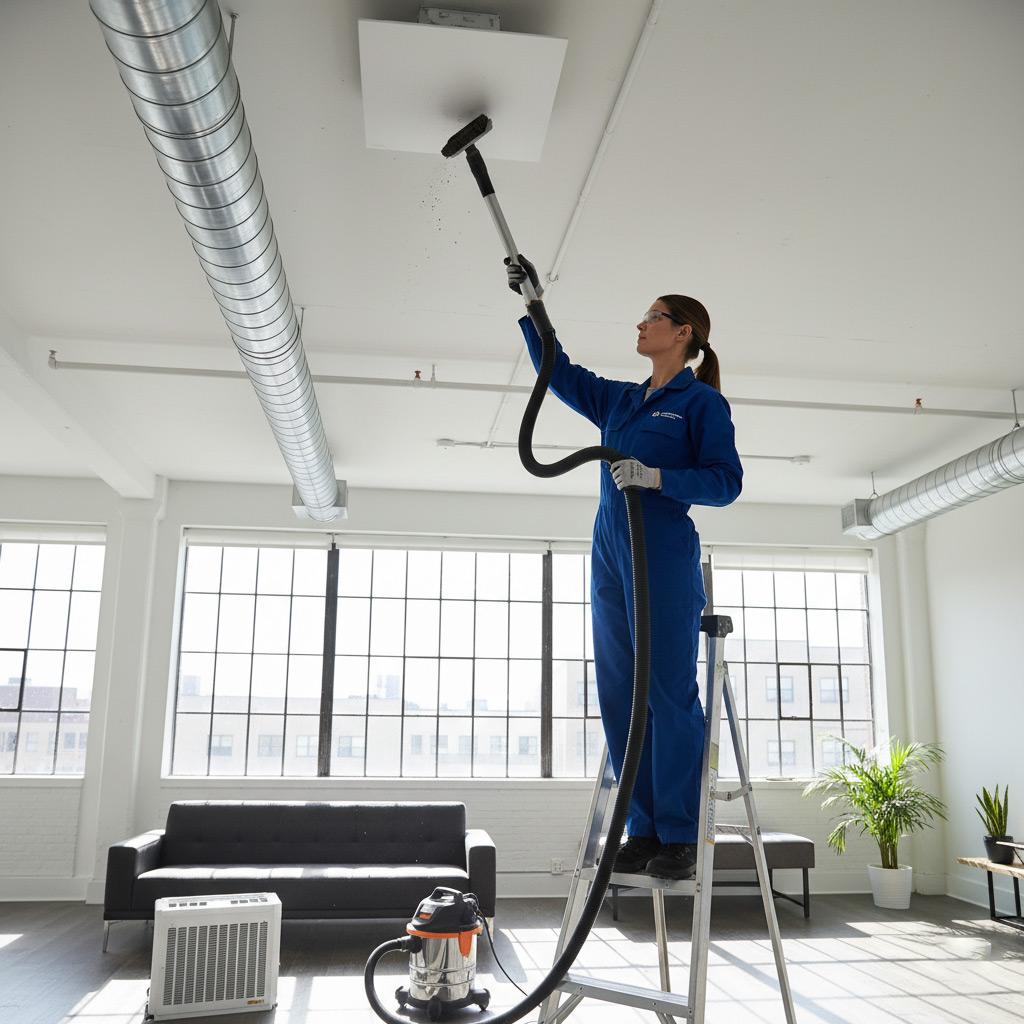
You’re about to drop a few grand on a new furnace, but most Shreveport homeowners end up paying twice as much because they skip the basics. Imagine discovering a cheap fix that could keep your old unit humming for another season – that’s the kind of secret most techs won’t tell you.
From hidden leaks in the ductwork to a thermostat that’s secretly sabotaging your comfort, the culprits are usually right under your nose. Knowing what to look for before you sign the contract can turn a costly gamble into a smart investment.
In this guide we’ll walk you through the exact steps seasoned pros use to decide if a replacement is truly necessary, and how to avoid the common traps that drain your wallet. Keep reading and you’ll walk away with a checklist that saves you time, stress, and money.
Diagnose Common HVAC Issues Before Jumping to Replacement
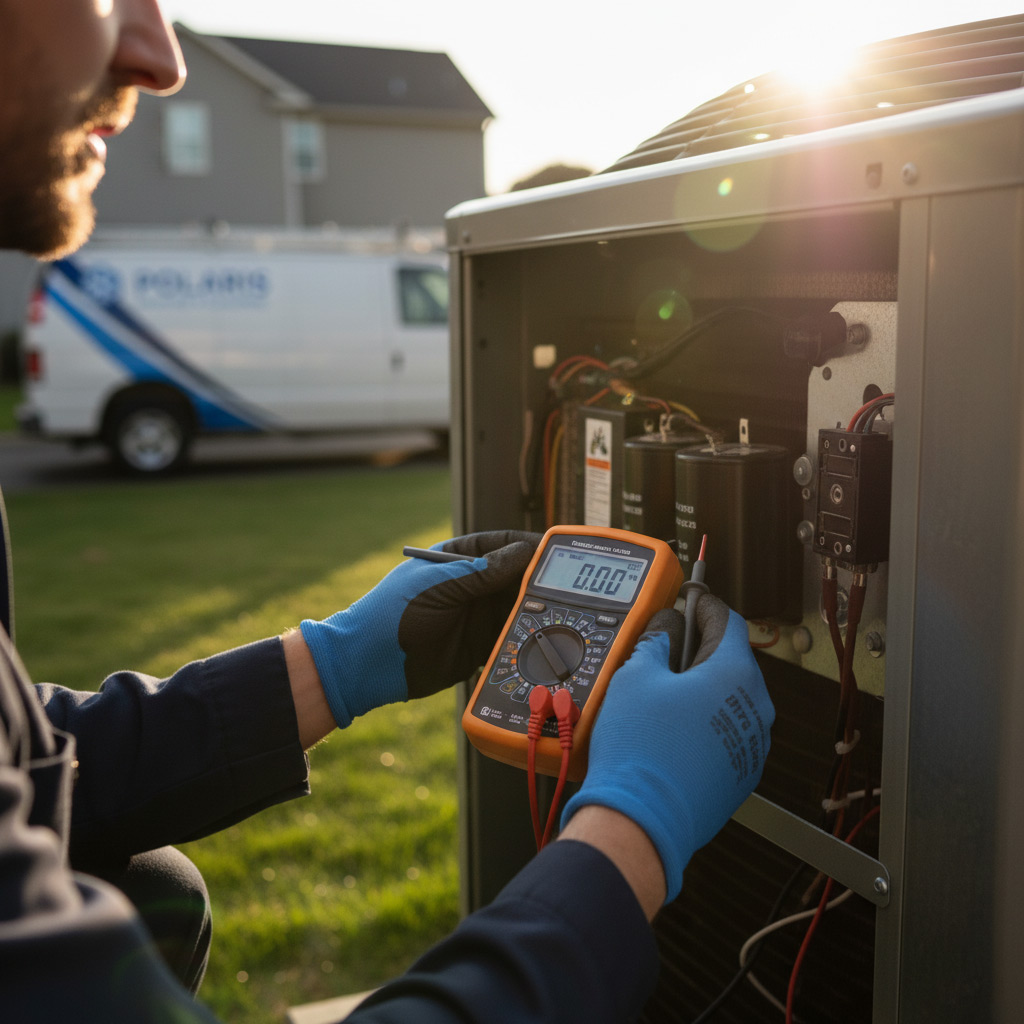
Before you start hunting for a new furnace, take a moment to run a quick health check on the system you already have. A lot of the “big problems” turn out to be tiny glitches that a seasoned tech can fix in an afternoon. Spotting those early saves you from a pricey surprise down the road.
Typical Symptoms That Signal a Simple Fix
- Uneven temperatures from room to room – often a clogged filter or a stuck damper.
- Strange noises like rattling or whistling – usually a loose blower motor or a cracked duct.
- Frequent short‑cycling – could be an over‑sized unit or a thermostat that’s misreading the space.
- Higher than usual utility bills – sometimes a dirty coil or low refrigerant pressure.
Grab a screwdriver and a flashlight, then do these three quick tests: check the air filter, listen for abnormal sounds when the fan runs, and verify that the thermostat reads the same temperature as a handheld thermometer. If anything feels off, note it and call a local Shreveport pro with the details – they’ll know whether a $200 part or a $5,000 replacement is the real answer.
Inspect Ductwork for Leaks, Blockages, and Airflow Problems
Before you start tearing out the furnace, take a look at the veins that carry the air. Leaky or clogged ducts can make a brand‑new unit work twice as hard, and that shows up on your electric bill.
Find the Leaks
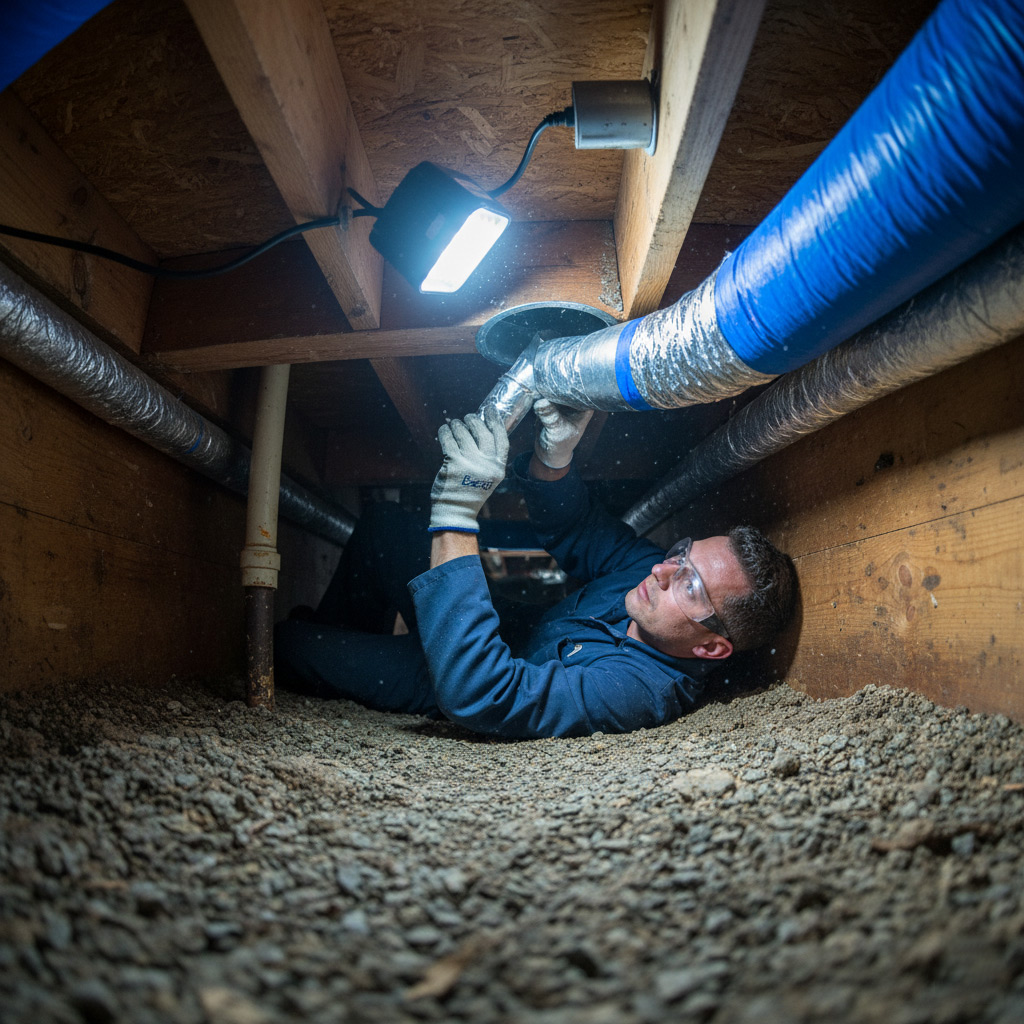
Grab a flashlight and walk the attic or crawl space. You’ll spot:
- Hissing sounds – air escaping like a sigh.
- Visible gaps where metal meets plaster.
- Dust piles near joints – a tell‑tale sign of turbulence.
Seal any gaps with mastic or foil tape. It’s cheap, quick, and can shave off 10‑15% of your heating load.
Clear the Blockages
Furniture, rugs, or even a forgotten storage box can choke a register. Pull the grilles off and:
- Vacuum the vent opening.
- Check the return for debris.
- Make sure nothing blocks the supply diffusers.
When air flows freely, the furnace doesn’t have to fight the resistance.
Check Airflow Balance
Turn on the system and walk the house. Feel each vent for temperature differences.
- If one room is icy while another is scorching, you have an imbalance.
- Adjust dampers in the main trunk – a small turn can even out the flow.
- Consider adding a booster fan to long runs that feel weak.
Balancing the system is like tuning a guitar – a little tweak makes the whole thing sing.
Thermostat Check: Calibration, Placement, and Smart Upgrades
Calibration – Is Your Thermostat Telling the Truth?
Grab a reliable thermometer and hold it next to the thermostat sensor. If the room reads 72°F while the unit shows 68°F, you’ve got a mis‑calibration.
Most digital thermostats let you adjust the offset in the settings menu. A quick 2‑degree tweak can shave off a few hundred dollars in energy waste each year.
Placement – Where You Put It Matters
Don’t mount the thermostat on a wall that basks in afternoon sun or next to a drafty window. Those spots trick the sensor into thinking the house is hotter or colder than it really is.
Ideal locations are interior walls, away from direct sunlight, ceiling fans, and appliances that generate heat. A well‑placed unit keeps the system from over‑working.
Smart Upgrades – Future‑Proof Your Comfort
Modern thermostats do more than set a temperature. They learn your schedule, detect occupancy, and can be controlled from a phone.
- Wi‑Fi enabled models let you adjust the heat from the couch or while you’re at work.
- Geofencing shuts the system off when you’re out of town, then powers it back up before you arrive.
- Some units integrate with home‑automation hubs, letting you sync lighting and blinds for a truly balanced environment.
Investing a few hundred dollars in a smart thermostat often pays for itself within a season, especially in Shreveport’s swing‑season weather.
Assess Furnace Age, Efficiency Rating, and Maintenance History
How Old Is Too Old?
First, locate the serial tag on the furnace cabinet – it’s usually a metal plate near the blower. Count the years from the manufacture date; most units in Shreveport hit the 15‑year mark before they start demanding more cash than they’re worth. If the furnace is pushing 20 + years, expect higher repair bills and a dip in comfort.
What Does the Efficiency Rating Really Mean?
Look for the AFUE (Annual Fuel Utilization Efficiency) number stamped on the nameplate. An AFUE of 80 % or lower is a red flag; modern units cruise at 90 %‑95 % and can shave dozens off your monthly bill. Don’t be fooled by a cheap price tag – a low‑efficiency furnace will gobble more gas in the sweltering summer and the chilly winter.
Maintenance History – The Hidden Money‑Saver
Ask the previous owner or your service tech for a log of annual tune‑ups, filter swaps, and any emergency repairs. A well‑kept furnace often outperforms a newer, neglected one. Spot the warning signs:
- Missing or incomplete service records
- Repeated short‑cycling or strange noises
- Filter changes less than every 3 months
If the paperwork is thin, factor in the cost of a thorough inspection before you sign any replacement contract.

Perform a Cost‑Benefit Analysis: Repair vs. Replacement Calculators
Why the Numbers Matter
Before you hand over a check, you need to see the math. A quick spreadsheet can reveal whether a $2,500 repair will save you $1,200 a year in energy costs, or if a $7,000 new unit pays for itself in three seasons.
Key variables to plug in:
- Age of the system – older than 15 years? Red flag.
- Annual energy bill – compare current usage to the SEER rating of a new model.
- Repair history – frequent fixes add up fast.
Using a Repair‑vs‑Replace Calculator
Most HVAC pros in Shreveport have a free online tool. Enter the numbers, hit calculate, and watch the result pop up in seconds.
Typical fields include:
- Cost of immediate repair.
- Estimated lifespan after repair (years).
- Projected energy savings with a high‑efficiency unit.
- Installation fees and any rebates.
Reading the Results
If the calculator shows a break‑even point beyond the expected life of your current furnace, it’s time to replace.
Watch for these red flags:
- Repair cost exceeds 30% of replacement price.
- Energy savings under 10% – you won’t recoup the investment.
- More than two major repairs in the past three years.
Case Study: How a Shreveport Homeowner Saved Hundreds by Fixing Hidden Issues
The Situation
Mike, a longtime Shreveport resident, called us after his furnace started coughing and his energy bill spiked. He was ready to drop $4,500 on a brand‑new unit, convinced the old one was dead. We told him to pause and look under the hood first.
The Discovery
Our tech found three sneaky problems that were draining his wallet.
- Leaky duct joint in the attic – air was escaping faster than a busted tire.
- Thermostat placed next to a sunny window – it kept thinking the house was hotter than it was.
- Dirty furnace filter that had been ignored for years – forced the blower to work overtime.
The Savings
Fixing those issues cost Mike only $350, but the payoff was immediate.
- Sealed duct saved ~15% on monthly heating costs.
- Relocated thermostat cut runtime by 20 minutes each night.
- New filter restored airflow, shaving another 5% off the bill.
All told, Mike avoided a $4,500 replacement and will keep his current furnace running another 3‑5 years. That’s a real‑world win without the guesswork.
Final Words
Before you sign any paperwork, grab a notebook and run through the checklist we just laid out. A quick visual inspection, a thermostat tweak, or a duct seal can shave hundreds off the price tag. Don’t let a shiny brochure blind you – the real savings live in the details.
Take Action Today
- Schedule a free diagnostic with a local Shreveport pro.
- Ask for a written cost‑benefit analysis that breaks down repair vs. replace.
- Verify the furnace’s age and SEER rating before committing.
If the numbers still point to a new unit, make sure the contract includes a warranty that covers both parts and labor. And remember, a well‑maintained system pays you back in lower bills and fewer emergency calls.
Ready to dive deeper? Check out our full HVAC Replacement guide for more insider tips and local contractor recommendations.
People Also Ask
What are the most common HVAC problems that can be fixed without replacing the system?
Most issues are caused by dirty filters, clogged coils, or a malfunctioning thermostat. Simple repairs like cleaning components or replacing a thermostat often restore performance.How can I tell if my ductwork is the reason for high energy bills?
Perform a visual inspection for obvious gaps and use a smoke pen or incense stick to detect airflow leaks. Leaky or blocked ducts can waste up to 30% of heating and cooling energy.When is it time to replace a furnace instead of repairing it?
If the furnace is over 15‑20 years old, has an efficiency rating below 80%, or requires frequent costly repairs, replacement is usually more economical. New high‑efficiency models can lower utility costs by 15‑30%.What factors should I include in a cost‑benefit analysis for HVAC repair vs. replacement?
Consider the age of the unit, repair costs, expected lifespan after repair, energy savings from newer models, and available rebates. A simple calculator can compare total 5‑year costs for each option.Can upgrading to a smart thermostat significantly improve my HVAC system’s efficiency?
Yes, smart thermostats optimize heating and cooling cycles based on occupancy and weather patterns, often reducing energy use by 10‑12%. Proper placement away from direct sunlight or drafts maximizes accuracy.
Shreveport HVAC brings over two decades of certified HVAC expertise to homes and businesses throughout Shreveport, LA. Their team of licensed technicians delivers reliable heating, cooling, and indoor air quality solutions tailored to the region’s climate. Committed to responsive service and local knowledge, they keep the community comfortable year‑round.
Need HVAC?
Rapid HVAC repair and installation that restores comfort and efficiency across Shreveport and nearby ZIPs (71101, 71103, 71107, 71109, 71115). Our technicians arrive on time and finish the job right the first time.
Request HVAC Quote